
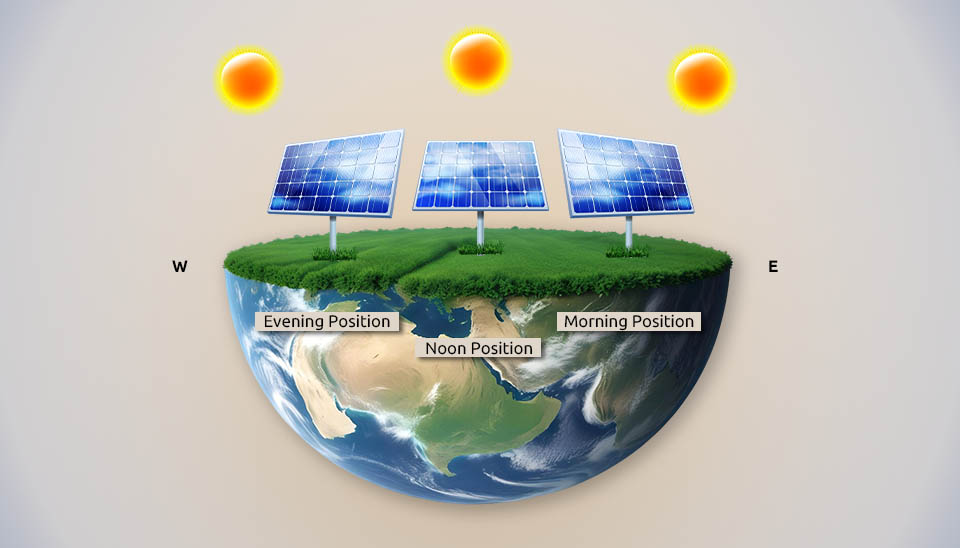
Solar Tracking Systems: From Conventional to Smart Technologies
May 13, 2026
Table 1. Main Types of Solar Tracking Systems
| Type of System | Description | Key Features & Applications |
| Fixed-Tilt Solar System | Panels are mounted at an unchanging angle. | Low price, plain design, suitable for small projects and areas with high solar irradiance. |
| Single-axis Solar Tracking System | The panels move in one direction (horizontally or vertically) and follow the movement of the sun in an east-west direction. |
Greater energy output(12-25 percent greater than fixed), common in utility-scale systems (Drury et al., 2013). |
| Dual-Axis Solar Tracking System | Panels are turned in both horizontal and vertical directions and track the direction of the sun more accurately. |
Highest energy capture (up to 30-45% higher) at increased cost and mechanical complexity (Drury et al., 2013). |
Renewable energy technologies are revolutionizing the energy system in the world with an ever-growing role playing a crucial role in combating global warming, reducing carbon emissions, and managing the increasing energy demands. This review focuses on Solar Tracking System Technology and its role in maximizing PV output. Solar photovoltaic (PV) power has taken a leading role among other renewable technologies in its scalability, falling costs, and ability to be used in a wide variety of applications including utility-scale power plants and small residential rooftops (Adak, 2025). However, its solar PV module performance depends heavily on its direction and ability to capture the maximum solar irradiance during the day (Lamaamar et al., 2021). This is the point at which Solar Tracking Systems (STS) become essential.
The market today is dominated by three major configurations of solar power plant installations: fixed-tilt systems, single-axis Solar Tracking System and dual-axis Solar Tracking System. These systems possess both merits and demerits depending on the size of the project, location and investment priorities (Ripalda et al., 2020).
A solar tracking system is a mechanical and electronic system that is used to point the solar panels, reflectors, or lenses to the sun as it passes through the sky. Trackers make sure that solar modules receive as much direct sunlight as is possible by constantly changing the angle of incidence. Solar trackers compared to fixed-tilt systems have the ability to raise the energy output by 12-45 percent, depending on technology, geography, and weather conditions (Drury et al., 2013).
During the last 20 years, the development of mechanical design, control algorithms, and integration with intelligent technologies, including IoT (Internet of Things) and AI made trackers highly reliable and efficient. These innovations mark a significant milestone in the evolution of Solar Tracking System Technology, paving the way for the next generation of Advanced Solar Tracking Systems capable of self-optimization and adaptive performance under varying conditions. They are currently used extensively in large scale solar farms, and are now being contemplated in smaller commercial and even residential applications (Boucif et al., 2025).
The recent innovations have given rise to the designs of Advanced Solar Tracking Systems that incorporate AI-based predictive algorithms, IoT connectivity, and GPS synchronization to achieve higher accuracy of alignment and operational stability. These improvements are the next step in Solar Tracking System Technology, allowing it to be more efficient, predictive and monitor the performance in real-time. This has led to modern trackers not being restricted to mechanical movement but have become smart energy optimization platforms. The unceasing refinement of these sophisticated systems is critical in lowering Levelized Cost of Electricity (LCOE) and hastening the worldwide shift to clean energy (Bastiani et al., 2023).
This paper gives an extensive review of solar tracking systems. It starts with a list of various types of trackers, then proceeds to give an in-depth evaluation of their pros and cons. Then the discussion continues on to the existing challenges and future opportunities in the field.
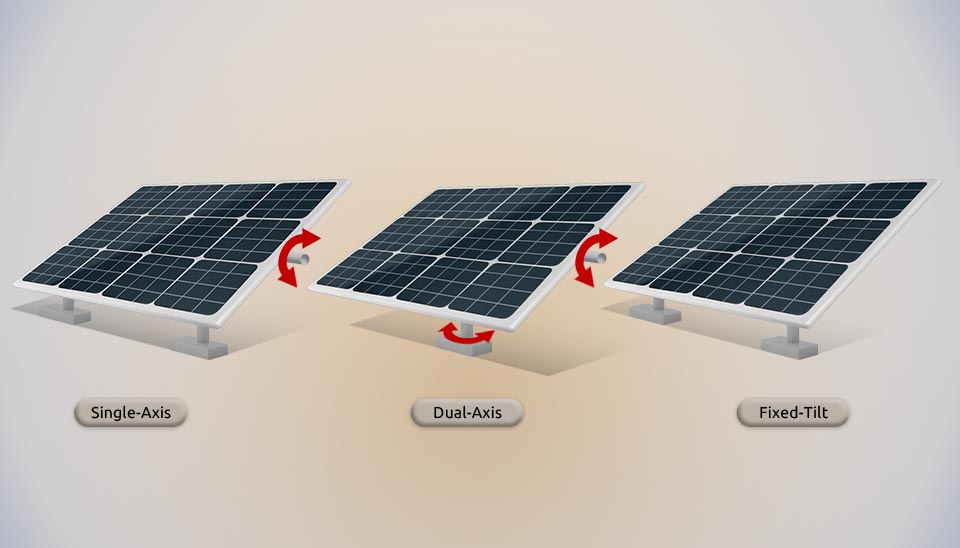 Fig. 1. Main Types of Solar Tracking Systems
1. Solar Tracking System: Definition and Function
This section will give a detailed definition of solar geometry and angles, what is meant by the solar tracker system, its necessary role, and the principle of its operation as far as maximizing the amount of solar energy collected is concerned.
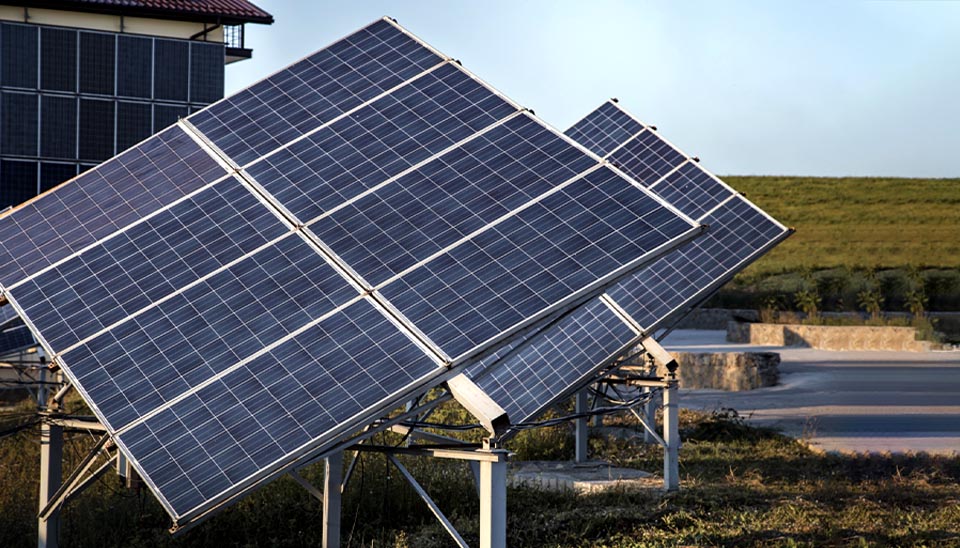 Fig. 2. single-axis Solar Tracking System to follow the sun’s path and maximize the angle of incidence for peak photovoltaic energy conversion.
1.1. Solar Geometry and Angles
As can be seen in Figure 3, for an observer standing at a specific point on Earth, the position of the sun is determined by two main angles: the altitude angle (α) and the azimuth angle (θs).
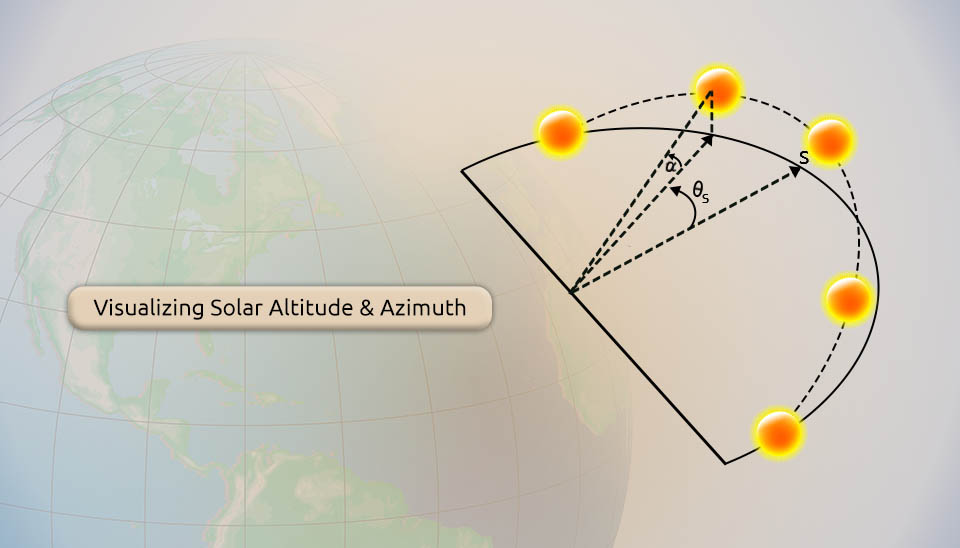 Fig. 3. The Altitude and Azimuth angle
Altitude Angle: The altitude angle is the sun’s elevation angle in the sky, measured relative to the horizon.
Azimuth Angle: The azimuth angle is the angle of deviation from true geographic south. This means that when we say the azimuth is zero degrees, our direction is true geographic south. When we say the azimuth is negative ten degrees, it means 10 degrees toward the southeast, and when we say the azimuth is positive ten degrees, it will mean 10 degrees toward the southwest. However, some scientific sources consider the angle of deviation from true geographic north to be the azimuth.
1.2. What is a Solar Tracking System?
A solar tracker is an electromechanical apparatus that is utilized in aiming a solar panel or solar collector at the sun that is a core element of Solar Tracking System Technology. Its primary objective is to make sure the solar energy system catches as much sunlight as possible throughout the day (Issa et al., 2025).
Solar irradiance, solar azimuth angle, elevation angle, tilt angle, declination angle, and zenith angle are important parameters monitored and processed by Solar Tracking System Technology. The most important angles in determining the sun’s position are the azimuth and elevation angles. Figure 4 shows the solar angles. Movable solar tracking systems can be moved either manually or automatically. In most cases, a solar tracking system includes multiple considerations such as one or two motors, different types of optical sensors, and an independent or auxiliary power supply. The classification of these aspects depends on various parameters, including the driving force, moving means, and the type of their operation (Amelia et al., 2020).
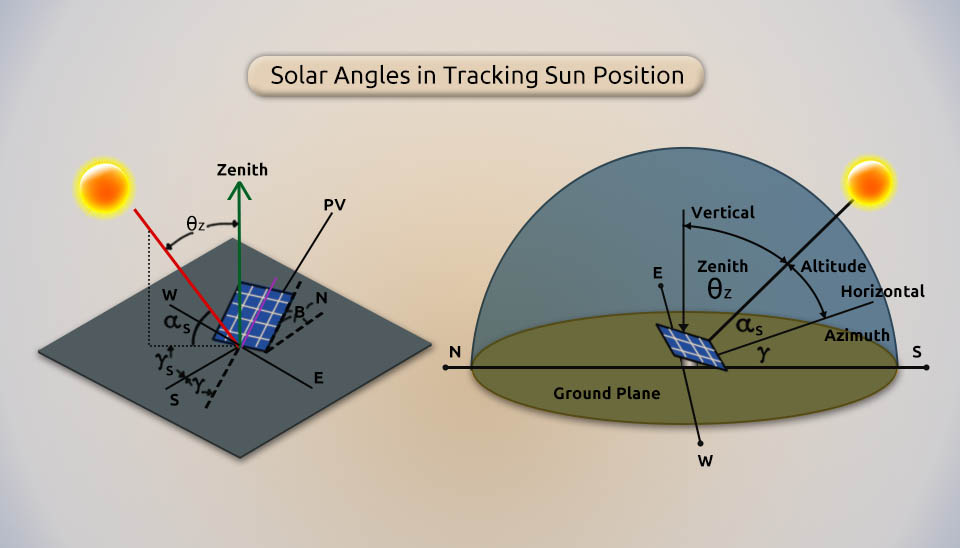 Fig. 4. Solar angles in tracking sun position (Yilmaz et al., 2015)
1.3. Why Do We Need Solar Tracking Systems?
Optimal performance of photovoltaic systems can be achieved if the panel is kept perpendicular to the direction of the solar irradiance. Hence, a solar tracking system is a method to maintain the optimal position of the photovoltaic panel (Amelia et al., 2020). The efficiency of fixed solar panels is a major challenge in most photovoltaic applications especially when the space to install them is minimal. Under these circumstances, the solar tracking systems will have a significant impact on the energy output, including the cruise ships, the electric cars, and the urban buildings that have small roofs. An example of this is the use of Dual-axis Solar Tracking Systems, which constantly change the orientation of the solar modules following the movement of the sun during the day, to achieve the greatest exposure to the sun and increased conversion efficiency. Besides, tracking systems in the mobile or confined environment not only enhance energy production but also minimize reliance on traditional sources of energy. They offer a renewable and reliable source of power on cruise ships and reduce fuel usage and emissions. Likewise, in electric and hybrid cars, solar trackers can be incorporated to increase the range of the car and reduce the frequency of charging. Trackers in heavy cities allow rooftops to produce more electricity per square meter, which leads to increased energy independence and sustainability. With urban areas requiring more effective utilization of the available space, the incorporation of the Advanced Solar Tracking System designs will improve the overall performance and will prove scalability of the Solar Tracking System Technology to the future smart cities (Hammas et al., 2025).
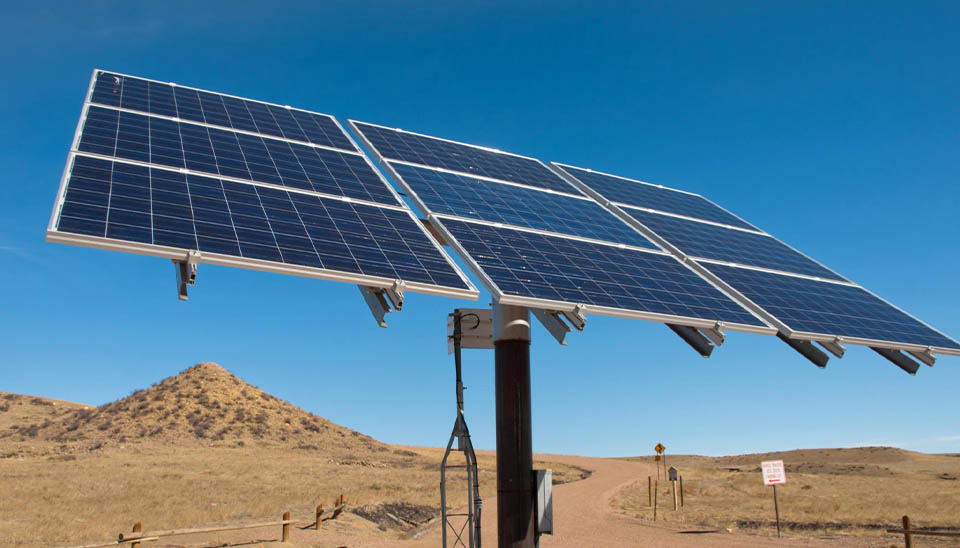 Fig. 5. Dual-axis Solar Tracking System to maximize energy generation.
1.4. Key Components and Mechanism of Solar Tracking System
The main components of a solar tracking system, especially in an Advanced Solar Tracking System include the tracking device, tracking algorithm, control unit, positioning system, driving mechanism, and sensing devices. The tracking algorithm determines the angles used to position the solar tracker. There are two types of algorithms: astronomical algorithms and real-time light intensity algorithms, both foundational elements of advanced Solar Tracking System Technology. The astronomical algorithm is a purely mathematical algorithm built upon astronomical sources. The light intensity algorithm is based on real-time light intensity readings. The control unit executes the tracking algorithm and manages the positioning system and the driving mechanism. The positioning system guides the tracking device so that it faces the sun at the calculated angles. The positioning system can be electrical or hydraulic. The driving mechanism is responsible for moving the tracking device to the position determined by the positioning system (RAJAN K, 2016).
2. Classification of Solar Tracking System
Solar tracking systems have many classifications. They can be classified based on the control system used, the actuators employed, the tracking strategy utilized, or the degree of freedom of movement (Awasthi et al., 2020). In this study, we examine two of the most prevalent classification approaches for solar tracking systems: (1) classification according to the actuator mechanism employed and (2) classification based on the number of degrees of freedom.
2.1. Classification Based on the Actuator System
The first and most common classification of a tracking system is based on its actuator system, which can be divided into active, passive, semi-passive, and manual tracking systems, categories determined by the underlying Solar Tracking System Technology. (Hafez et al., 2018).
2.1.1. Passive Solar Tracking System
This passive approach does not include mechanical actuators to guide the panel toward solar irradiance; it is an alternative Solar Tracking System Technology optimized for low-cost contexts. Instead, it utilizes certain pressurized, low-boiling-point gaseous fluids or Shape Memory Alloys (SMAs) as actuators. By receiving uneven irradiance, these actuators force the panel to make certain angular movements to reestablish the radiation balance through the induction of thermal expansion in the expansible gases or in the memory alloys. When one side of the liquid gas receives a greater amount of thermal energy than the other side, the gas expands and moves toward the opposite side of the tracker. This causes an unbalanced gravitational pull and forces the panel to tilt until it reaches a point of equal irradiance. Although this system has lower complexity, it does not have high efficiency at low temperatures. Despite its lower accuracy, this tracker is practically cost-effective due to its low cost and easy maintenance (Awasthi et al., 2020).
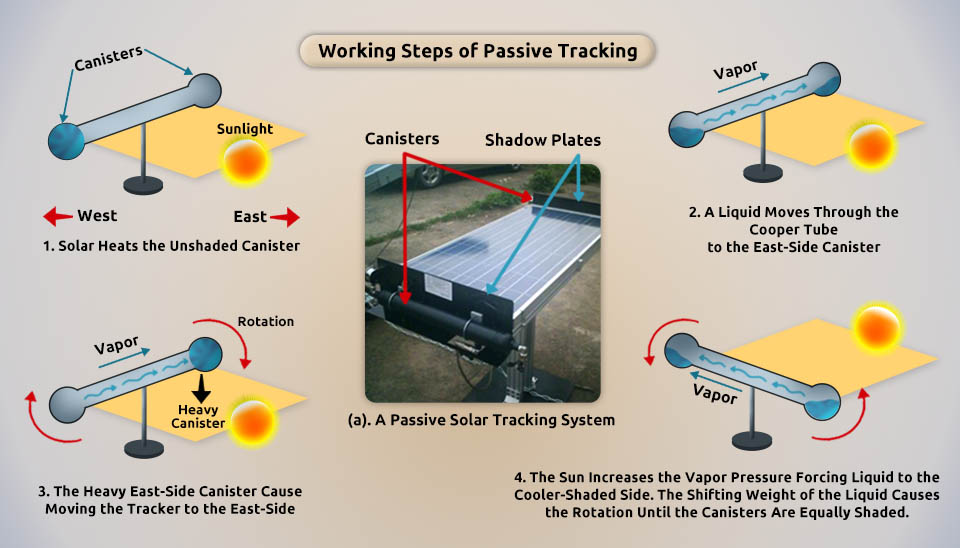 Fig. 6. The working process of a passive solar tracking system (Hammoumi et al., 2022).
2.1.2. Active Solar Tracking System
These systems use electric actuators and mechanical frames, an Active Solar Tracking System Technology family that relies on sensors, motors and microprocessors. This kind of system employs sensors, electric motors, and microprocessors to track, which is more precise and efficient than passive solar trackers. These trackers, however, consume energy. When the trackers are not properly aligned with the sun, the sensors receive unequal light and generate a signal. This signal is used by a comparator or a microprocessor to determine the appropriate movement in the correct direction. The necessary signal is then sent to the motors for them to operate accordingly. This process stops at the point where the sensors receive equal light. Active tracking systems are further divided based on their control drives, namely closed-loop, open-loop, and hybrid tracking systems. In addition to closed-loop and open-loop tracking systems, active systems are also classified into intelligent control systems, microprocessor-controlled systems, and sensor-based control systems (Awasthi et al., 2020), (Seme et al., 2020).
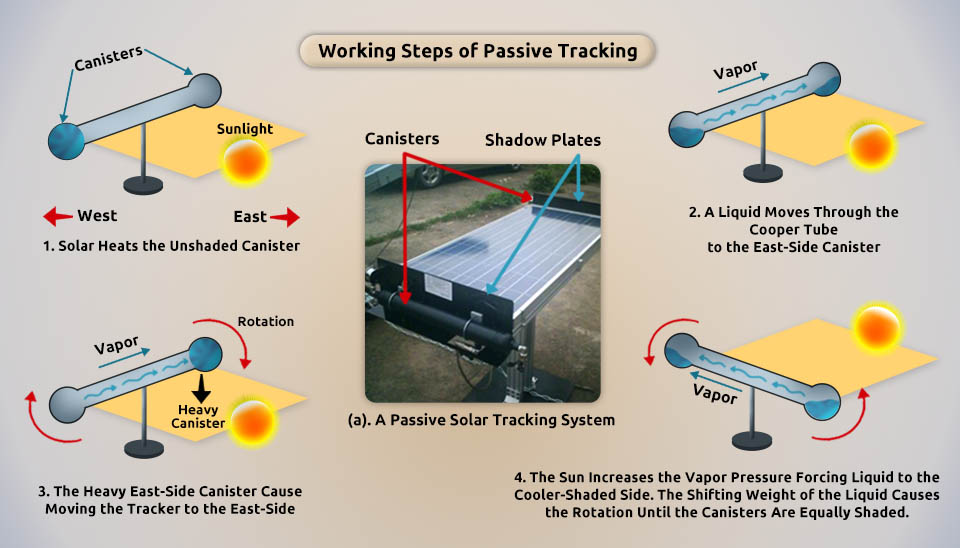 Fig. 7. Actuator Systems (a) Passive Solar Tracker System (b) Active Solar Tracker System (Seme et al., 2020).
Table 2. Comparison of Passive and Active Solar Trackers
| Technology | Description | Advantages | Disadvantages |
| Passive | Thermal expansion in materials or pressure imbalance between two points at the two ends of the tracker. | • Does not require the use of motors and actuators
• Easy installation • Low maintenance cost |
• Strong dependence on weather conditions
• Low accuracy |
| Active | Use of sensors and motors. | • More accurate
• Efficient in tracking the sun’s position |
• Requires power consumption
• Low accuracy on cloudy days |
2.1.3. Semi-Passive Solar Tracking System
Semi-passive solar tracker systems are hybrid tracking/concentrator designs that aim to keep solar rays approximately perpendicular to the absorber’s surface while minimizing mechanical actuation and energy expenditure. Unlike fully active systems that use continuous motor-driven movement, semi-passive systems combine passive optical or thermal elements with limited mechanical adjustments to correct misalignment. For example, the system may use a micro-heliostat array that reflects sunlight onto a fixed or minimally moved Fresnel lens and receiver, reducing the required mechanical movement (Teles et al., 2022).
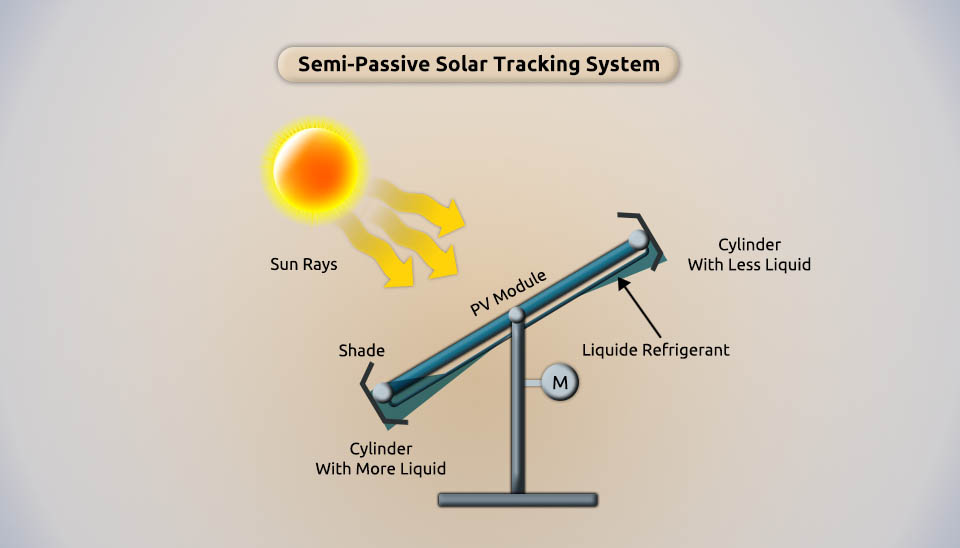 Fig. 8. Semi-passive solar tracker systems
2.1.4. Manual Solar Tracking System
A manual solar tracker is a method where the system can track the sun’s angle from season to season by manually changing the tilt angle using a hand wheel or gears. The manual tilt angle axis can be used as a secondary axis in two-axis tracking systems, which is less expensive than implementing a second motor (Hafez et al., 2018).
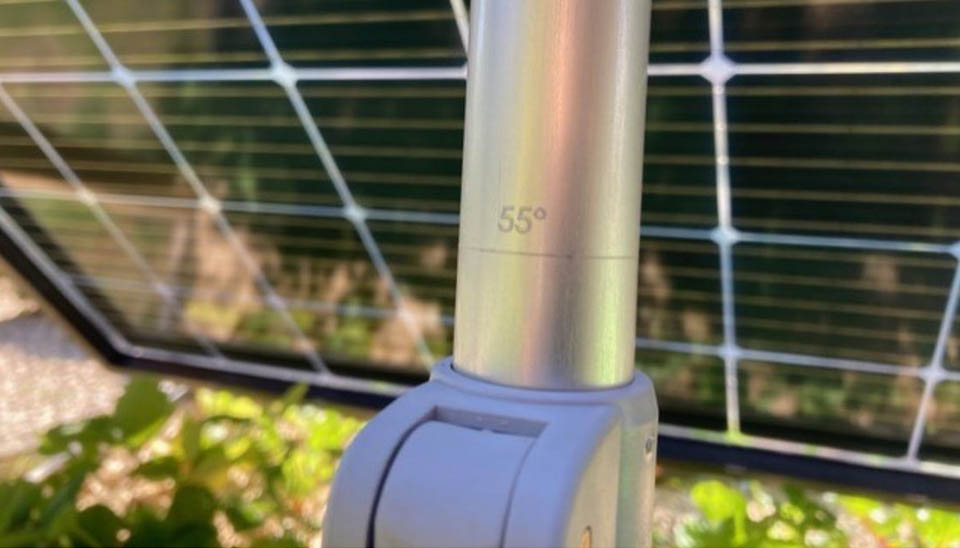 Fig. 9. Luciole & Basilic’s manual solar tracker
2.2. Classification Based on the Degree of Freedom
The degree of freedom indicates the number of directions in which independent movement can occur. Based on this, tracking systems are classified into single-axis Solar Tracking Systems and Dual-axis Solar Tracking Systems. Before delving into this classification, let us look at the different types of axes and angles that play a significant role in these tracking systems. These parameters are essential for determining the appropriate locations and orientations:
Latitude is a measurement of a point’s position on the Earth’s surface that determines how far north or south the point is relative to the equator. As shown in Figure 10, this parameter is measured at various angles from 0 degrees at the equator to 90 degrees at the poles.
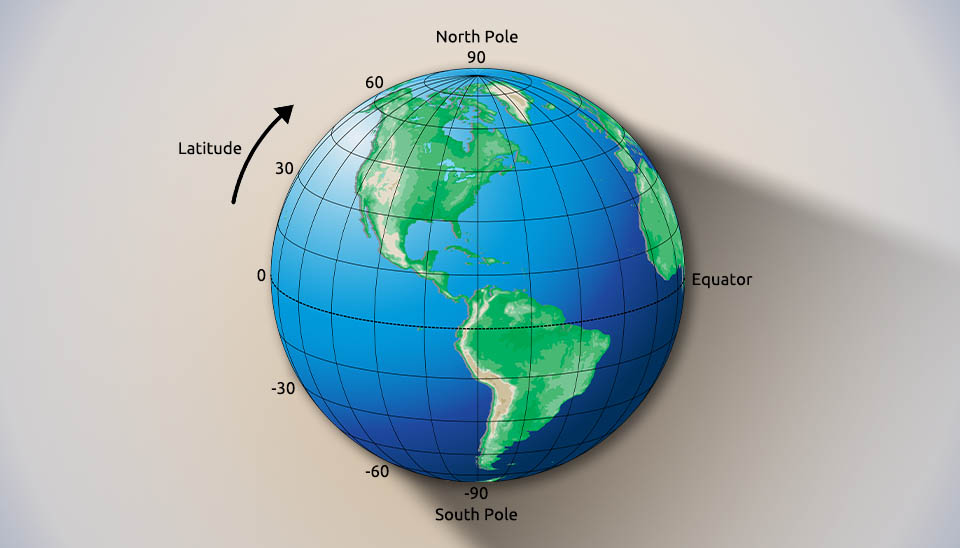 Fig. 10. Latitude
Angle of Incidence: The angle between the sun’s radiation beam and the normal line to the surface is known as the angle of incidence, as shown in Figure 11.
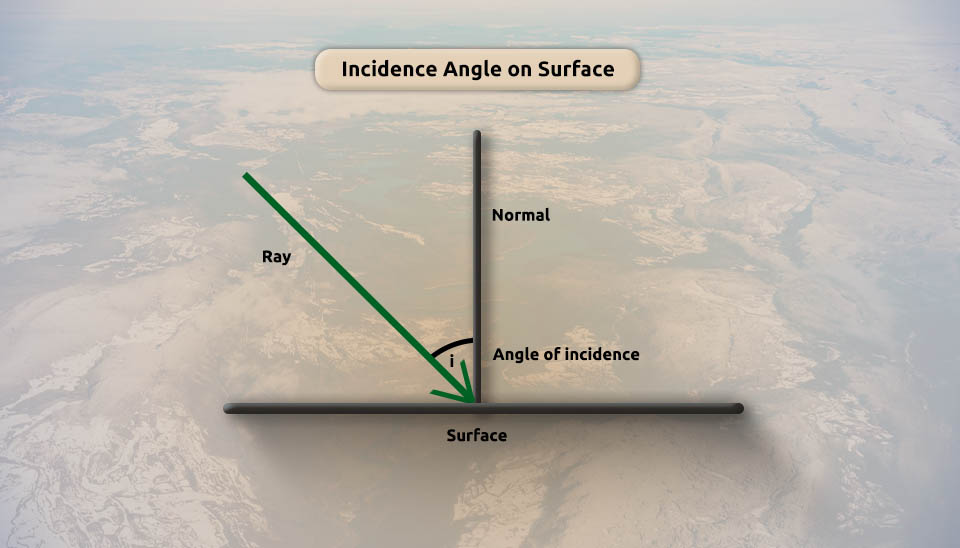 Fig. 11. Angle of Incidence
Declination Angle: The Earth’s rotational axis has an angular deviation of about 23.5 degrees with respect to its plane of rotation around the sun, and this deviation remains in the same orientation throughout the Earth’s path in its orbit around the sun. As shown by “δ” in figure 12, the declination angle of the Earth’s axis causes the location of this same arc in the sky to change throughout the year (Karafil et al., 2015).
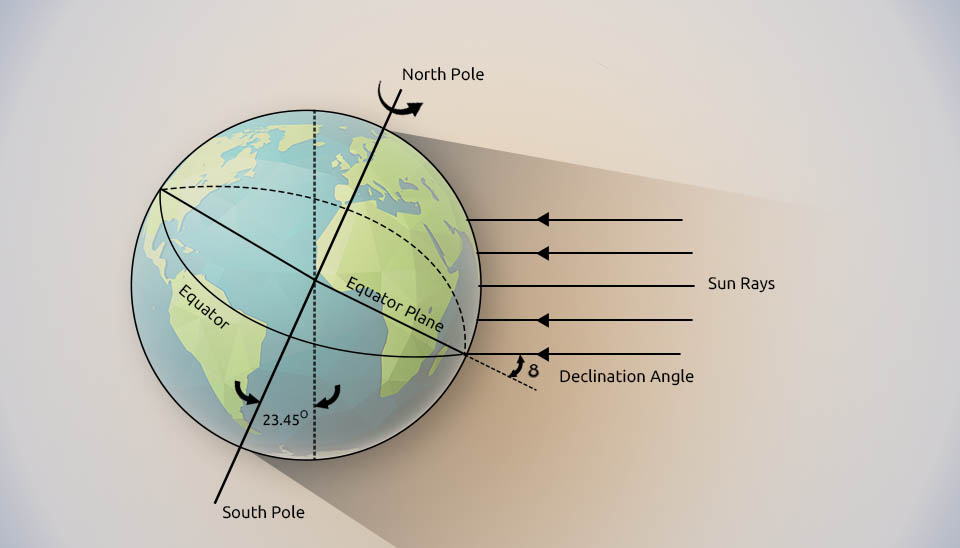 Fig.12. Declination Angle
Altitude Angle: This is the angle between the horizon and the line connecting the center of the sun to the center of the Earth (α), as shown in Figure 13.
Zenith Angle: This is the angle between the vertical axis and the line connecting the center of the sun to the Earth (z). The zenith and altitude angles are complementary to one another.
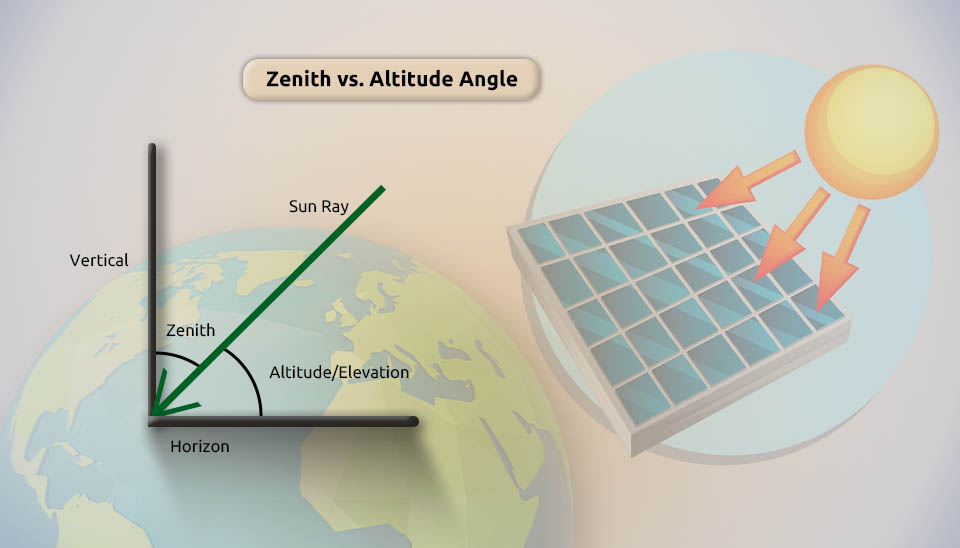 Fig. 13. Zenith and altitude angles
Tilt Angle: This is the angle between the photovoltaic solar panel and the horizontal axis (as shown in Figure 14). The angle of incidence is a type of tilt angle.
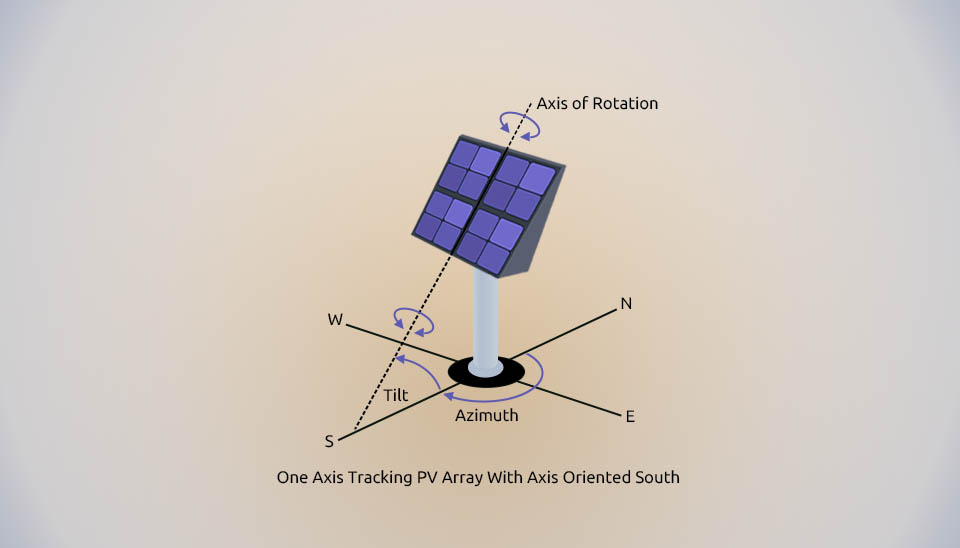 Fig. 14. Tilt angle
Solar Azimuth Angle: The solar azimuth angle is an angular measure of the spherical system of coordinates. An observer-point of interest vector is projected perpendicular to the reference plane and the angle between the projected and the reference vectors is called the azimuth. When it comes to the solar azimuth angle, the center of the earth is the observation point and the center of the sun is the point of interest. The reference vector is traditionally oriented towards the South, although the convention of orienting the reference towards the North is the most widely agreed upon as illustrated in Figure 15. The angle is calculated clockwise, that is, East is 90 degrees, South is 180 degrees, and West is 270 degrees (Awasthi et al., 2020).
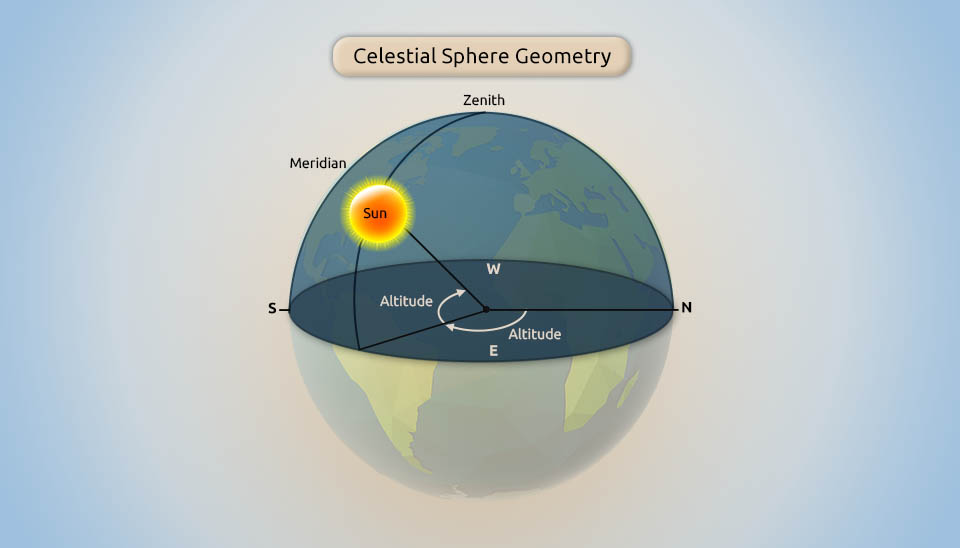 Fig. 15. Azimuth and altitude angle
2.2.1. Single-Axis Solar Tracking Systems
Single-axis Solar Tracking Systems (SATs) are photovoltaic tracking systems that offer one degree of freedom, i.e. they are able to rotate around a single axis to track the movement of the sun in the sky. This axis can be either horizontal (East-West), vertical (North-South), tilted or polar aligned depending on the design and the site latitude (Sadeghi et al., 2025).
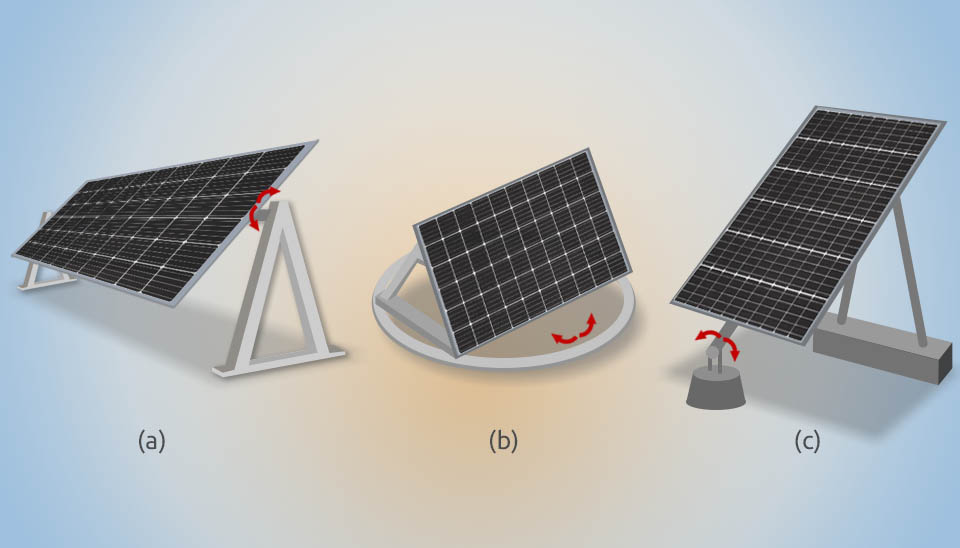 Fig. 16. Single-axis Solar Tracking Systems: (a) Horizontal Single-Axis, (b) Vertical Single-Axis, and (c) Tilted Single-Axis (Seme et al., 2020).
2.2.1.1. Horizontal Single-Axis Solar Tracking System
The axis of rotation of the Horizontal Single-Axis Tracker (HSAT) is horizontal relative to the ground. Backtracking is one of the challenges in calculating the placement of the panels. By calculating the optical performance of HSAT solar panels, it was determined that these panels have the worst performance in the East-West orientation for energy gain, while an HSAT in the North-South orientation significantly increases efficiency by about 12% (Drury et al., 2013).
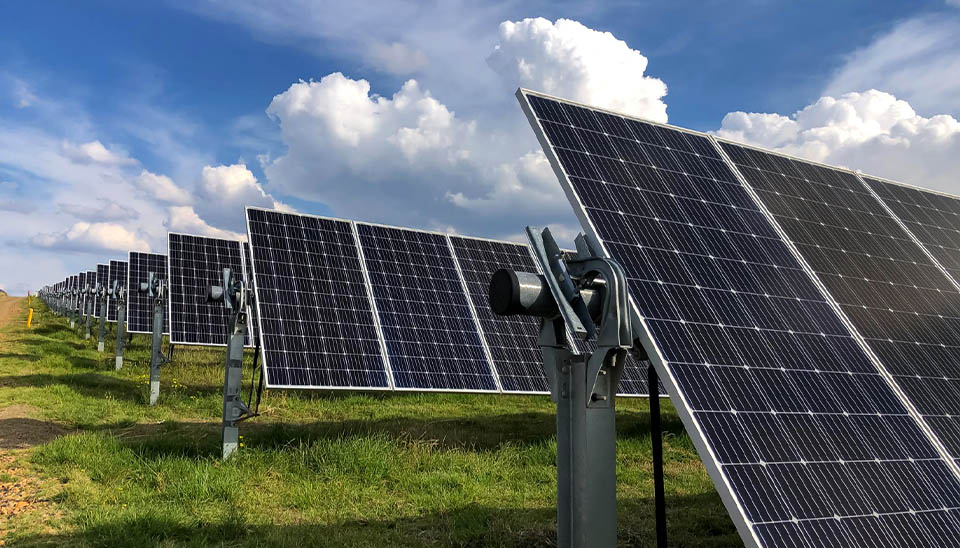 Fig. 17. Single-axis solar tracking system adjusting the tilt of PV panels
2.2.1.2. Vertical Single-Axis Solar Tracking System
The axis of rotation of the Vertical Single-Axis Trackers (VSATs) is vertical relative to the ground. This is a tracking system that can be oriented either north/south or east/west and moves in an up/down motion. These systems are particularly useful in northern regions where latitudes range from 40 to 50 degrees (Priyam, 2023).
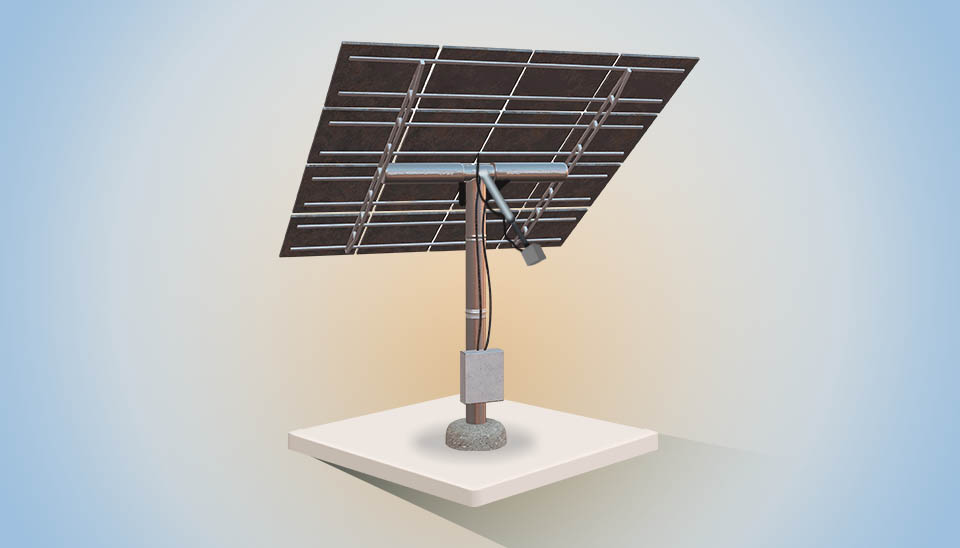 Fig. 18. Vertical single-axis Solar Tracking System rotating PV panels from east to west
2.2.1.3. Tilted Single-Axis Solar Tracking System
A tracker with rotation axes between horizontal and vertical is called a Tilted Single-Axis Tracker. The tilt angles of the tracker are often limited to reduce the wind profile and minimize the end height (RAJAN K, 2016). Because the module plane is generally aligned parallel to the rotation axis, as the tracker moves it sweeps out a cylindrical surface. The tilt is often limited to moderate angles to reduce the wind profile (i.e. reduce drag and lift forces) and to lower the height of the elevated end above ground, which also simplifies foundation design and maintenance access (Sadeghi et al., 2025).
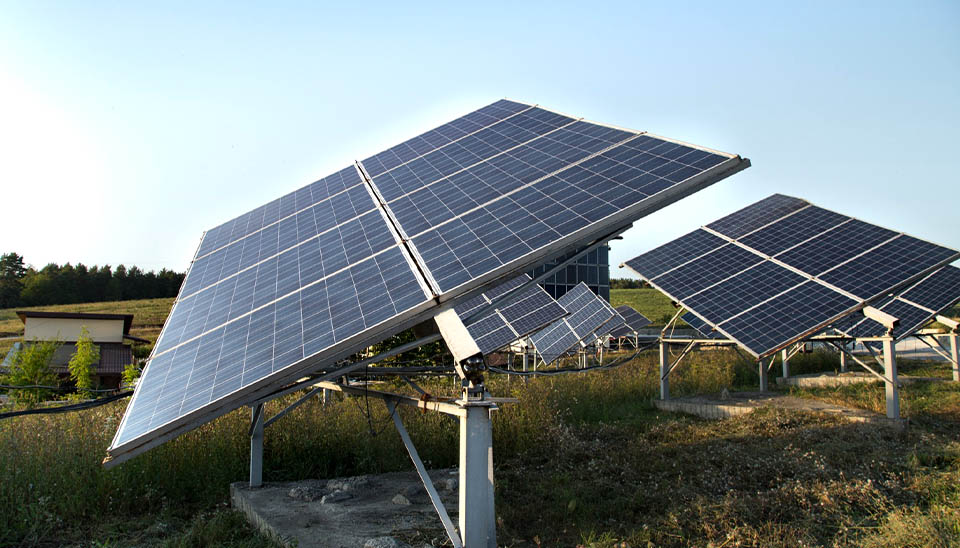 Fig. 19. Solar farm utilizing advanced tilted single-axis Solar Tracking Systems to boost daily energy yield.
2.2.2. Dual-Axis Solar Tracking Systems
Dual-axis Solar Tracking Systems have two degrees of freedom, which act as axes of rotation. These axes are typically perpendicular to one another. The axis that is fixed relative to the ground can be considered the primary axis. The axis that is referenced to the primary axis can be considered the secondary axis. Dual-axis trackers make it possible to achieve the optimal level of solar energy due to their ability to follow the sun both vertically and horizontally. No matter where the sun is in the sky, Dual-axis Solar Tracking Systems can position the panel in direct contact with the sun (RAJAN K, 2016).
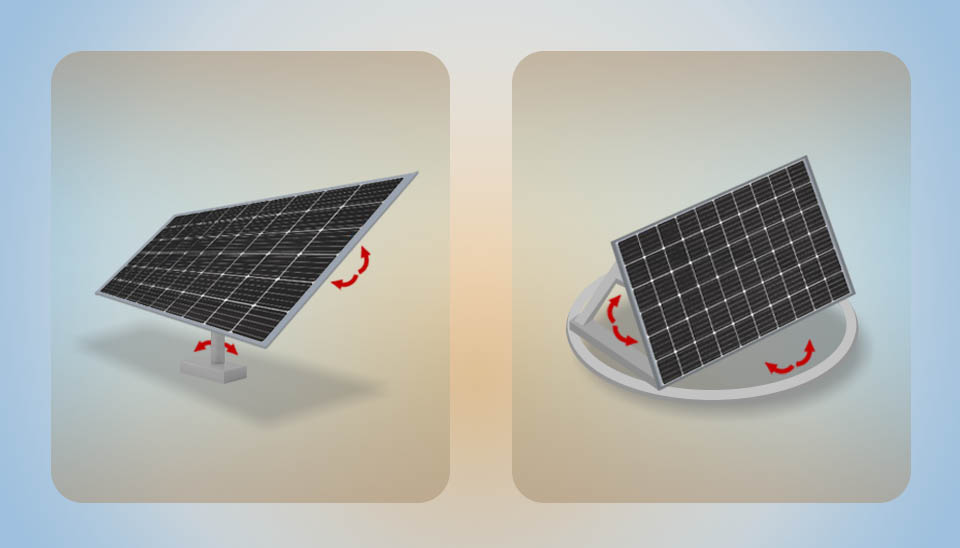 Fig. 20. Dual-Axis Photovoltaic Tracking Systems (a) Tip-Tilt Dual-Axis Tracker (b) Altitude-Azimuth Dual-Axis Tracker (Emon, 2022)
2.2.2.1. Altitude-Azimuth Dual-Axis Tracker (AADAT)
The Altitude-Azimuth Dual-axis Solar Tracking System has a primary axis (azimuth axis) that is vertical relative to the ground, and a secondary axis (altitude axis) that is perpendicular to the primary axis. The azimuth axis is a vertical axial shaft or a horizontal ring base that allows the device to rotate in the direction of the compass point. The second axis is a horizontal elevation axis mounted on the azimuth axis. Such systems may operate under computer control based on solar orientation, or they may use a tracking sensor to control the motorized actuators that guide the panels toward the sun (Ray and Tripathi, 2016).
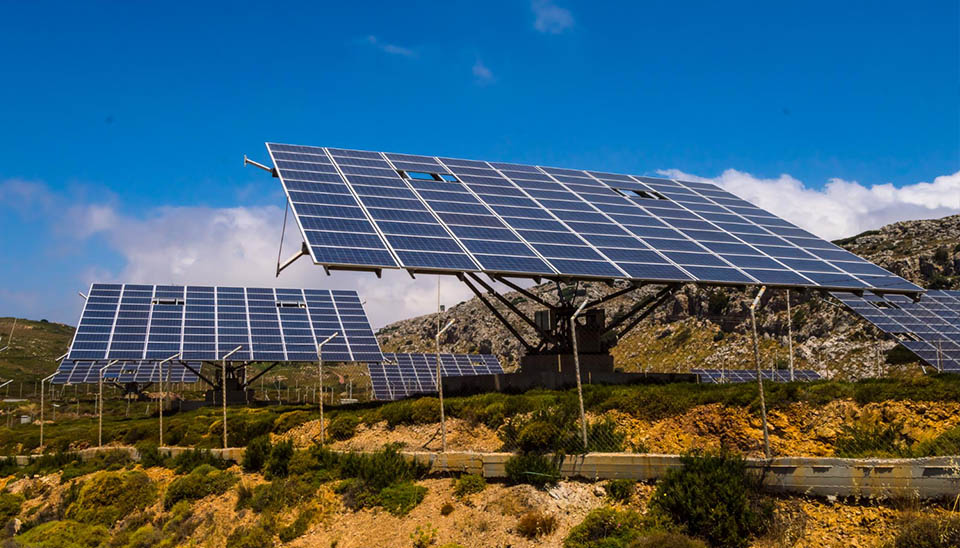 Fig. 21. Advanced Altitude-Azimuth dual-axis Solar Tracking System ensures superior energy output under changing sun positions.
2.2.2.2. Tip-Tilt Dual-Axis Tracker (TTDAT)
The Tip-Tilt Dual-Axis Tracker (TTDAT) uses a horizontal axis with the ground, and the secondary axis is mounted perpendicular to the primary axis. The main axis of the TTDAT system is horizontal relative to the ground, whereas the secondary axis is perpendicular to the primary axis This enables the panel to move both in the direction of the tilt (elevation) and the direction of the tip (azimuth-like) to provide a two-degree-of-freedom system to give accurate solar orientation (Shankar and Singh, 2014). In practice, TTDAT structures are often pole-mounted, where the module is fastened via a universal joint or gimballed support to allow independent motion in both axes. The tip motion adjusts the panel east–west to follow the sun’s horizontal trajectory, while the tilt motion corrects for seasonal changes in solar elevation. Because of this separation of motions, TTDAT offers mechanical simplicity compared to altitude–azimuth Dual-axis Solar Tracking System designs, particularly in cable management and reduced interference between axes (RAJAN K, 2016).
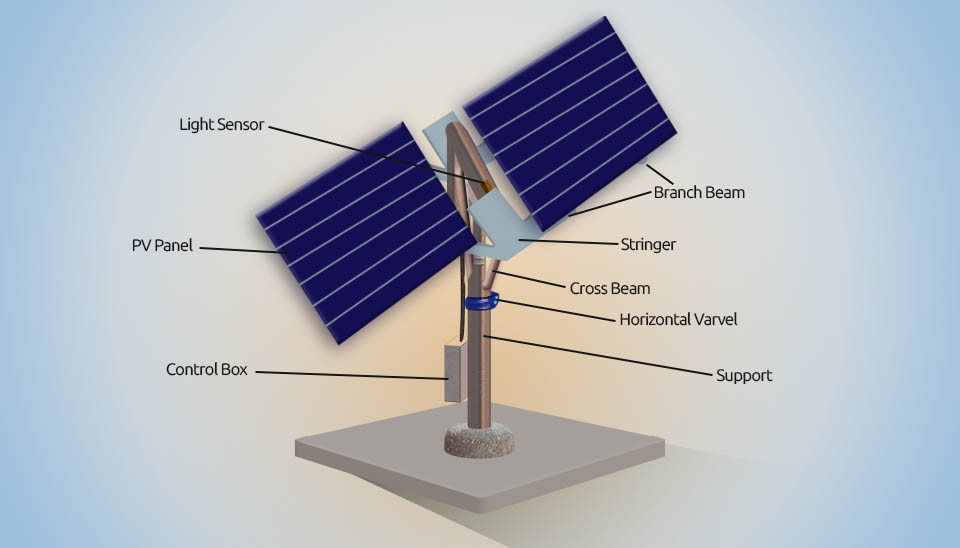 Fig. 22. Modern solar farm, showcasing tip-tilt dual-axis Solar Tracking Systems for superior solar energy harvesting.
2.3. Emerging and Advanced Solar Tracking Systems
Over the past few years, the development of solar tracking technologies, particularly the Advanced Solar Tracking System architectures, has shifted the traditional mechanical systems to more intelligent, interconnected, and adaptive systems. The innovations of the modern world combine the features of artificial intelligence (AI), Internet of Things (IoT), global positioning system (GPS) synchronization, and hybrid control methods to enhance the accuracy, efficiency, and reliability of photovoltaic systems. These sophisticated trackers not only optimize the energy production in the changing weather and irradiance conditions but also minimize the operational and maintenance expenses by predictive control and real-time optimization. Therefore, they are a major step towards smarter and more independent power generation using the sun (Hammas et al., 2025).
Four key types of emerging solar tracking systems are further elaborated on in the following sections; AI-based (smart) trackers, IoT-based trackers, GPS-based trackers and hybrid trackers, each with its own set of benefits in the context of optimizing the performance of solar energy.
2.3.1. IoT-Integrated Solar Tracking Systems
IoT-based trackers are sensor-based connectivity that is integrated with cloud analytics to facilitate real-time monitoring and remote control. The IoT characteristics are available to monitor conditions (e.g., dust levels, actuator malfunctions), predictive maintenance, and adaptive control that adjusts tracking parameters based on operational data. This will enhance uptime and may lower the O&M costs, and it will give datasets to optimize over the long term (Muthukumar et al., 2023).
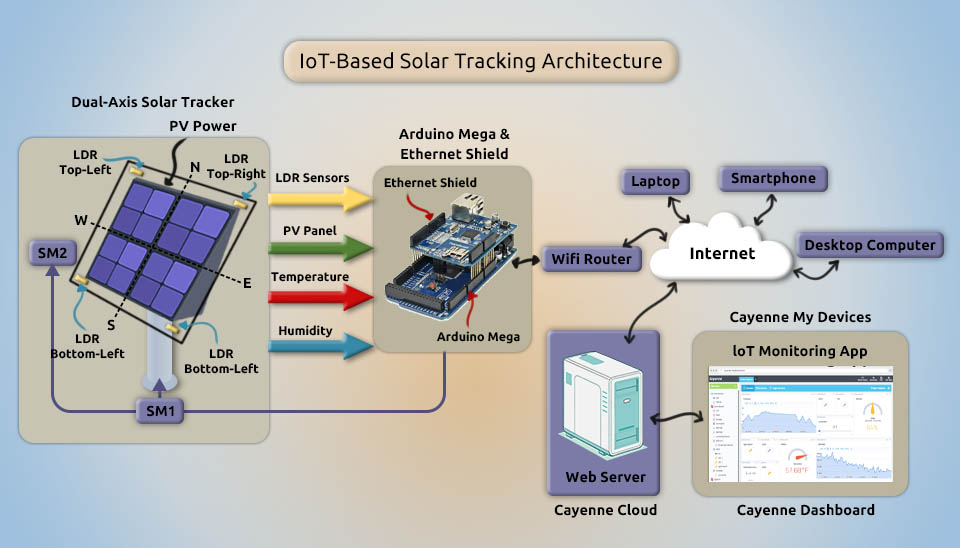 Fig. 23. َAn application of Solar Tracking System Technology; IoT-integrated solar tracking system connected to the Cayenne IoT platform for data acquisition and monitoring.
2.3.2. GPS-Based Solar Tracking Systems
The GPS-based trackers utilize the data of satellite time/position along with the solar position algorithms to determine the correct azimuth and elevation angles. They are especially effective in cases where optical sensors are inoperative (e.g. heavy dust, snow or diffuse light), and may be used as a backup or hybrid input to sensor-based controllers. In large arrays, GPS-calculated arrays minimize cumulative pointing error and make calibration simpler (Hammas et al., 2025).
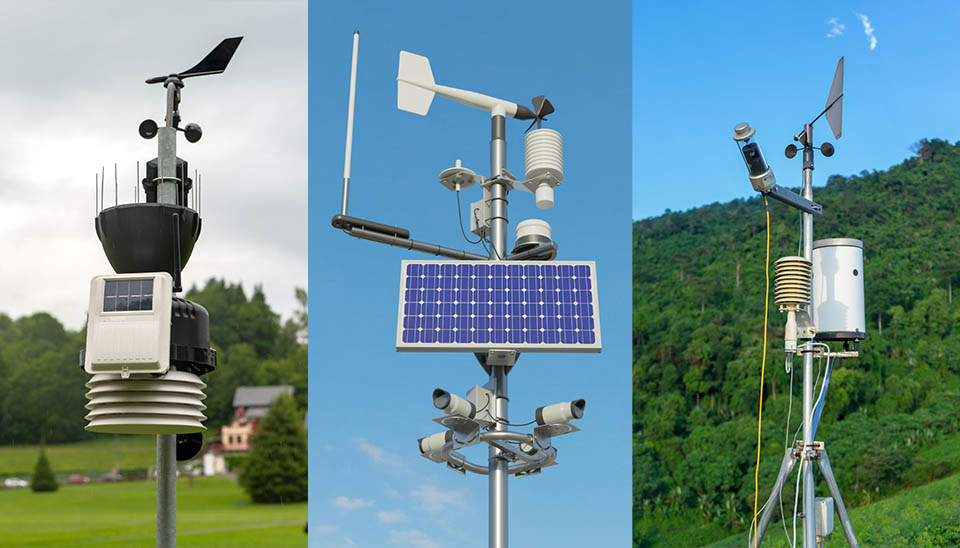 Fig. 24. High-performance GPS-based solar tracking system used for accurate sun-tracking and alignment of photovoltaic panels.
2.3.3. Hybrid Solar Tracking Systems
Hybrid trackers are trackers that use a combination of techniques (e.g. sensor-based closed-loop control and time/GPS open-loop data, or active motors and passive thermal actuators) to achieve the advantages of both and are often implemented as Advanced Solar Tracking System configurations to balance accuracy and cost. The goal of hybrids is to maintain a high level of accuracy in variable conditions with minimal energy and maintenance cost; field prototypes claim large uplifts in energy compared to fixed mounts and also they are more reliable in shady or other unfavorable weather conditions (Hammas et al., 2025).
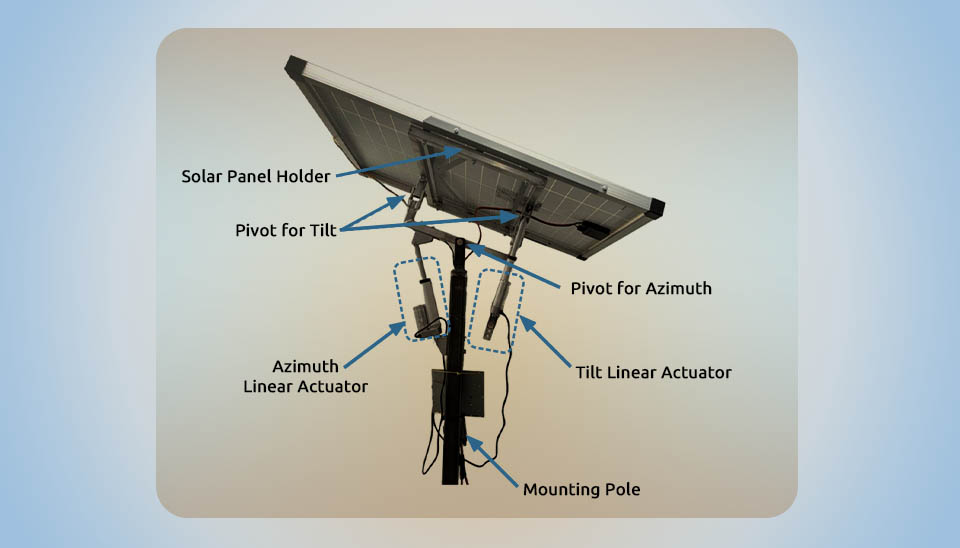 Fig. 25. Control architecture of the hybrid solar tracking system using both LDR and GPS data for precise dual-axis positioning (Hammas et al., 2025).
2.3.4. Smart Solar Tracking Systems
Smart solar tracking systems make use of advanced machine-learning and predictive algorithms to make the tracking process smarter; these capabilities are central to modern Advanced Solar Tracking System deployments. Unlike responding to real-time light intensity or looking up predetermined astronomical data, such AI-based models process environmental inputs, historic weather trends, and irradiance predictions to anticipate the short-term behavior of the sun. They maximize the energy capture by constantly estimating the optimal tilt and azimuth angles, even in the presence of rapidly varying, cloudy or diffuse light conditions. In addition, given that the systems minimize the unnecessary movements of actuators, they help to minimize mechanical wear and energy usage associated with the frequent changes. Field experiments and pilot projects have demonstrated that AI-based tracking can lead to significant performance improvements, particularly in bifacial solar arrays and locations with dynamic or partially shaded weather conditions (Araújo et al., 2024).
The integration of smart controllers is a primary example of the broader Applications of Artificial Intelligence in Solar Energy, enabling predictive maintenance and cloud-based optimization.
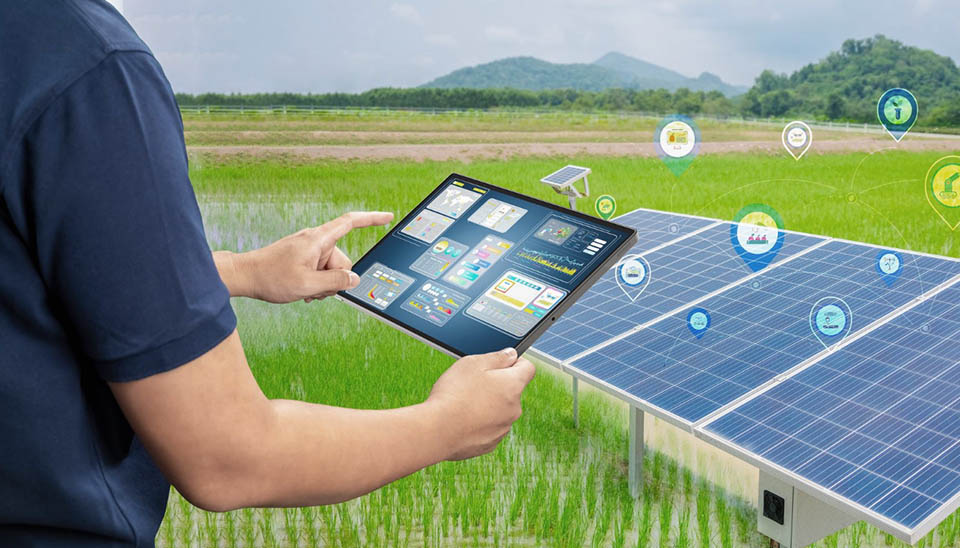 Fig. 26. Smart solar tracking system utilizing AI-driven data monitoring, an example of an Advanced Solar Tracking System
3. Comparative Analysis of Solar Tracking Systems
Here we provide a comparative overview of the main types of solar tracking systems, emphasizing differences in Solar Tracking System Technology that affect performance and O&M. This comparison demonstrates the development of the configurations of Advanced Solar Tracking System over the traditional designs by significant breakthroughs in Solar Tracking System Technology which have resulted in increased efficiency and stronger performance in operation.
The following table depicts their main technical restrictions, operational potential, performance rates, and model types to give a clear view of the way each of the models works in various circumstances.
Table 3. Comparison table for different tracking systems (RAJAN K, 2016)
| System Type | Performance | Capabilities | Technical Limitations | |
| Single-Axis | Horizontal | 13-22% more compared to
fixed panels (NREL, 2008). |
Less complexity – Cheaper – Less damage during storms |
Occupies a large space because panels must be arranged horizontally. |
| Vertical | Energy yield depends on latitude, increasing from 1– 2.6% near the equator to about 25% in Berlin. A single-axis Solar Tracking System raises output by up to 30%, with dual-axis adding only around 3% more (Alkaff, 2019). |
Less complexity – Cheaper | Easily affected by wind force. | |
| Tilted | 19–29 % more compared to fixed panels (losses due to wind force are considered) (NREL, 2008). |
More suitable for smaller latitudes (i.e., locations closer to the equator) |
The tilt angle must be calculated very accurately to prevent shading and wind losses. |
|
| Dual-Axis | Tip-Tilt | 25–35% more compared to fixed panels (excluding additional construction cost) (Musa et al., 2023). |
Capable of tracking the sun in both directions (East-West and North-South) |
Must be installed on a tall pole where wind force is very high. |
| Altitude
-Azimuth |
28-35% more compared to fixed panels (excluding additional construction cost) (Eke, 2012). |
More suitable for larger latitudes where there are significant seasonal changes in sun altitude and arc. |
Its rotating mechanism is mounted on the ground, so it occupies a large space and is not suitable for northern climates with snow accumulation. |
|
| Passive | 20-25% more compared to fixed panels (Alemayehu and Admasu, 2023). |
In this system, extra components can be eliminated with the help of passive materials. |
Material cost for the actuator is very high and some materials are difficult to source. Also, their movement is slow at low temperatures. |
|
| Advanced Solar Tracking System (Smart, IoT, GPS- Based, Hybrid) |
Achieve 5–15 % higher energy yield compared with conventional single or Dual- axis Solar Tracking Systems, depending on irradiance and site conditions (Hammas et al., 2025; Araújo et al., 2024) |
Integrate AI-based prediction, IoT monitoring, and GPS/sensor hybrid control to optimize solar alignment in real time, reduce shading, enable remote diagnostics, and improve reliability and maintenance efficiency. |
Advanced Solar Tracking System implementations require more sophisticated electronics and control software; they may be dependent on data connectivity and have higher upfront cost and complexity, though usually offset by faster ROI. |
|
4. Conclusion
Solar tracking systems are important in improving the productivity and performance of the photovoltaic (PV) systems by ensuring that the solar panels are constantly oriented towards the direction of the sun during the day. It is analyzed that single-axis Solar Tracking Systems can produce 12-25% more energy than fixed-tilt systems, and Dual-axis Solar Tracking Systems can produce up to 30-45% more energy depending on geographic location and climatic conditions (Drury et al., 2013). Horizontal single-axis Solar Tracking Systems have a cost-effective compromise of efficiency improvement and mechanical simplicity compared to the dual axis Solar Tracking Systems which, though more complex and expensive to maintain, have better solar exposure and would be used where the primary consideration is the production of maximum energy (Dahlioui et al., 2022). Moreover, the selection of a Solar Tracking System must take into account a number of factors which may include the size of the project, the availability of land area, weather conditions in the area, and economic viability. Active and semi-passive Solar Tracking Systems are more accurate but expensive to operate whereas passive and manual systems can still be used in small scale projects or low-budget projects (Kuttybay et al., 2024).
Advanced solar tracking systems, including Smart Solar Tracking System, IoT-linked, GPS-trackers, and Hybrid trackers are the new generation in the development of the Solar Tracking System. These advancements represent the core of Advanced Solar Tracking System development, where cutting-edge Solar Tracking System Technology integrates AI, IoT, and predictive analytics to ensure optimal alignment, reduced maintenance, and long-term energy yield improvement.
These systems use artificial intelligence, sensor networks, and real-time data analytics to make dynamic performance optimization. Smart AI-based trackers apply predictive algorithms to forecast the variability of solar position and irradiance, up to 5–10% more gains than the maximum from traditional Dual-axis Solar Tracking System (Araújo et al., 2024). IoT-based Solar Tracking Systems improve remote diagnostics and predictive maintenance, reducing downtime and maximizing the efficiency of the operations (Muthukumar et al., 2023). Hybrid and GPS-based models are able to make use of satellite positioning and optical or passive feedback loops, which enable them to track the sun accurately even in cloudy or dusty conditions and enhance system stability and overall energy output (Hammas et al., 2025).
Altogether, the efficiency of solar energy use is greatly increased with advanced Solar Tracking System Technology, which improves sustainability and energy independence. With solar energy growing worldwide, the optimization of tracking technologies will be one of the main factors behind decreasing the levelized cost of electricity (LCOE) and further development of renewable energy use (Manzolini et al., 2024).