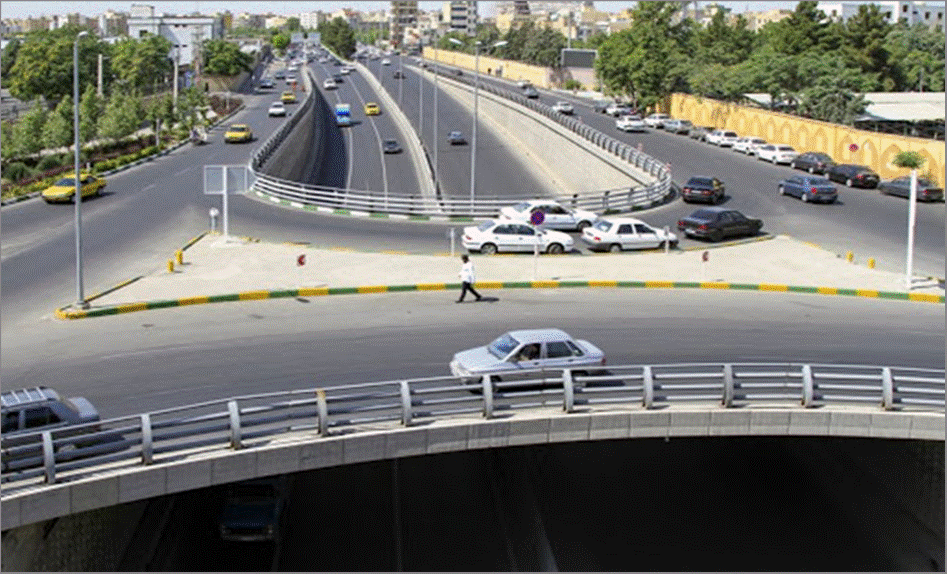
Shahid Ajorlou Interchange a A Project for Energy Reliability, Urban Safety, and Enhancement of Citizens’ Quality of Life
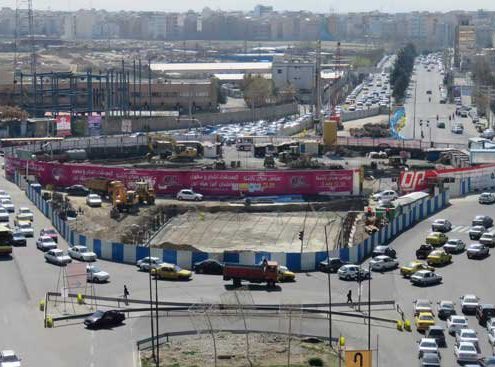
With the commencement of construction operations for the Shahid Ajorlou grade-separated interchange (Sepah Square) in Karaj, a significant portion of the existing power distribution networks within the project area was identified as utility conflicts. These lines included overhead and underground medium- and low-voltage routes that, due to urban infrastructure development, were located within the underpass construction zone and its access routes, thereby interfering with civil works. Continuation of construction activities without reorganizing these facilities could have resulted in consequences such as unexpected power outages for consumers, damage to critical network equipment, increased safety risks for civil contractors, and delays in project completion.
In response to this critical need, Karaj Municipality, under a formal contract and through Raman Construction Company, assigned the design, relocation, and modification of conflicting medium- and low-voltage power networks, as well as the construction of a standard street lighting system within the project area, to Pegah Energy Persian Company. According to the approved schedule, the project commenced on July 22, 2016 and was successfully completed on March 19, 2017.
The primary objective of this project was to eliminate electrical conflicts associated with the Shahid Ajorlou civil development project, ensure full safety of the existing power networks, guarantee uninterrupted service to consumers during construction activities, and modernize the urban electrical infrastructure within the project area. In addition, part of Pegah Energy Persian Company’s mandate included the design and construction of a new lighting network along the underpass and adjacent roads to enhance traffic safety, improve visual appearance, and strengthen nighttime security in the area.
Execution of this project within a period of less than eight months, under heavy traffic conditions and operational constraints in the central area of Karaj, demonstrates the technical capability, managerial competence, and execution discipline of Pegah Energy Persian Company. Relying on specialized personnel, mechanized equipment, and continuous coordination with municipal construction teams, the company successfully completed all stages of relocation, modification, and final commissioning without causing widespread outages and within the approved timeframe.
1. Strategic Objectives of the Shahid Ajorlou Interchange Project
The relocation of medium- and low-voltage networks interfering with the Shahid Ajorlou grade-separated interchange (Sepah Square), along with the installation of a lighting system, was designed and executed with a technical, safety-oriented approach in full compliance with national power industry standards. The objective was to create safe conditions for the continuation of civil works, rehabilitate aged facilities, and upgrade urban electrical infrastructure within the project area.
The main executive and technical objectives of the project were as follows:
Complete elimination of electrical conflicts resulting from the construction of the Shahid Ajorlou grade-separated interchange: removal of existing power lines and facilities located along the underpass and access routes to prevent electrical incidents and ensure the safety of civil operations.
Ensuring the safety of distribution networks within the construction zone: systematic and safe relocation of medium- and low-voltage lines to reduce potential risks to construction personnel and residents while maintaining stable power supply to adjacent consumers.
Optimization and reconfiguration of power line routes in accordance with urban development plans: redesign of underground and overhead routes based on approved urban planning maps, in compliance with Tavanir requirements and maintaining load balance within distribution networks.
Construction of a street lighting network using modern standards and energy-efficient equipment: installation of galvanized steel poles, underground cabling, and low-consumption LED luminaires to increase illumination levels, reduce energy consumption, and enhance traffic safety within the project area.
Improvement of visual appearance and enhancement of urban safety: removal of deteriorated overhead lines and implementation of new underground networks, which reduced visual pollution and improved safety and aesthetics in the Sepah Square area.
2. Scope of Services and Operational Activities
The relocation of medium- and low-voltage networks interfering with the Shahid Ajorlou grade-separated interchange (Sepah Square) was one of the complex technical projects in the field of urban electrical infrastructure rehabilitation, executed in full compliance with technical, HSE, and Tavanir standards within less than eight months.
Given the project’s sensitive location in central Karaj, high traffic volume, presence of other underground utilities (water, gas, telecommunications), and the need for simultaneous coordination with multiple civil contractors, operations were designed and implemented through precise planning and a multi-phase approach.
The project was executed in three distinct yet interconnected phases:
2.1. Phase One: Design, Surveying, and Route Preparation
At this stage, the technical team of Pegah Energy Persian Company utilized urban GIS maps and conducted field inspections to identify and survey all conflicting lines and existing facilities. Alternative routes for new network installations were designed based on urban planning principles and electrical safety guidelines.
Precise alignment of underground routes, excavation points, distribution panel locations, and lighting pole positions was completed to ensure that execution could commence without interference with other urban utilities.
2.2. Phase Two: Implementation of Medium- and Low-Voltage Networks
In this stage, the main relocation and construction operations were carried out using specialized equipment and skilled personnel.
Construction of five new outgoing feeders from the Jahanshahr sub-transmission substation, totaling 18,960 meters of underground medium-voltage network, utilizing armored three-core cables, heat-shrink joints, and full installation of protective equipment including SF6 gas-insulated switch disconnectors and power fuses.
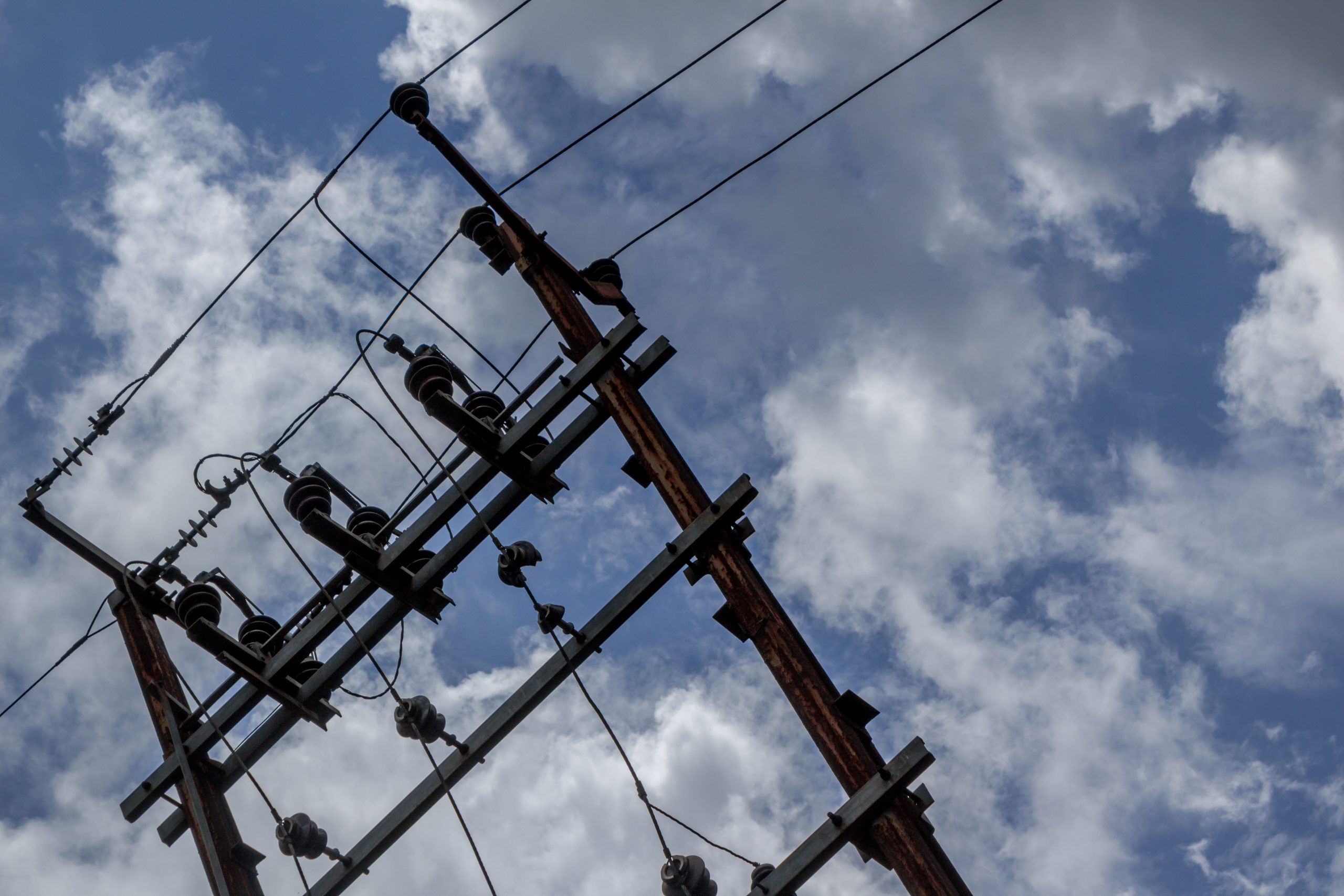
Dismantling, relocation, and modification of 13,120 meters of overhead medium- and low-voltage network, including removal of poles, conductors, insulators, and aged accessories, and installation of new routes in full coordination with the civil development plan.
Creation of cable crossing routes across urban roads using mechanized and low-impact (trenchless) methods to prevent disruption to vehicular traffic.
All activities were conducted under continuous supervision of the quality control unit and in compliance with standard clearances from underground utilities to ensure network safety and continuity of supply during execution.
2.3. Phase Three: Street Lighting Network Construction and Final Completion
In the final stage, street lighting works within the project area were implemented.
Construction of 2,615 meters of street lighting network along the underpass and adjacent roads using galvanized steel poles and standard underground cabling.
Installation of high-efficiency, low-consumption LED luminaires to enhance traffic safety, reduce energy consumption, and improve the visual quality of the Sepah Square area.
Installation of lighting distribution panels, protective earthing systems, and execution of safety tests including earth resistance testing, cable insulation testing, and verification of protective fuse performance prior to commissioning.
Upon completion of installation works, all new lines and equipment underwent technical testing (Load Test and Dielectric Test), and following final approval by technical experts of Karaj Municipality and Alborz Province Electricity Distribution Company, the project was officially commissioned.
Accurate and systematic execution of these stages resulted in complete elimination of electrical conflicts without any widespread outage or electrical incident; establishment of a new network with improved capacity, safety, and reliability; and transformation of the Sepah Square surroundings in terms of illumination and urban appearance.
Accordingly, beyond achieving its technical and civil objectives, the project became a successful model of intelligent coordination between energy networks and urban development projects.
3. Human Resources and Equipment Fleet
Successful execution of the relocation project was the result of precise planning, coherent organization, and utilization of specialized personnel alongside advanced operational equipment. The integration of technical knowledge, field experience, and strict adherence to work discipline constituted the three main pillars of success.
A team of 35 specialized personnel, organized into design, execution, safety, and support groups, worked full-time throughout all project phases. This team included design and supervision engineers, experienced foremen, electrical technicians, technical operators, heavy equipment drivers, and HSE specialists, each operating in accordance with defined responsibilities and Tavanir standards.
Prior to the execution phase, all operational team members participated in specialized training programs covering electrical safety, work in high-density urban environments, controlled excavation principles, and underground network operation requirements. Refresher courses in live line work, working at height, and emergency response were also conducted to ensure readiness for project-specific conditions. These trainings enhanced safety while improving execution speed and quality.
The logistics and support division mobilized an operational fleet of 12 specialized vehicles, including light and heavy hydraulic aerial lifts, truck-mounted cranes, operational emergency vehicles, cable transport trucks, and mechanized drilling equipment. All vehicles were equipped with a fleet tracking system for real-time monitoring of location and performance, enabling optimized deployment, reduced response time, and improved fuel management.
The combination of skilled personnel and equipped fleet ensured maximum efficiency, minimal execution errors, and zero safety incidents, reflecting Pegah Energy Persian Company’s integrated resource management approach in infrastructure projects.
4- Financial Resources and Organizational Structure
The relocation project was initiated with an approved budget of IRR 17,425,000,000, and all financial, technical, and operational stages were conducted under the direct supervision of Raman Company (client representative) and the comprehensive management of Pegah Energy Persian Company. Due to its infrastructure nature and location in one of the busiest urban intersections, the project required precise financial control, scheduled planning, and multi-agency coordination.
The organizational structure included specialized and support units to ensure disciplined execution from design to final commissioning, comprising:
Technical control and supervision unit responsible for quality control, compliance with approved drawings, and documentation of field changes;
Planning and scheduling unit responsible for resource management, daily and weekly planning, and monitoring physical progress;
HSE unit responsible for developing and implementing safety procedures in high-density urban environments;
Financial and logistics support unit responsible for timely procurement, cost control, and payment management.
Pegah Energy Persian Company adopted a disciplined financial and transparent execution approach, documenting all expenditures and utilizing digital systems for recording and monitoring financial and progress data. Regular daily, weekly, and monthly reports were submitted to the client.
This approach ensured completion without budget increase or delay, establishing the project as a model of efficient urban infrastructure management.

5- Challenges and Executive Solutions
Execution of the relocation project faced technical, operational, and managerial challenges due to its special geographic location, dense urban utilities, and simultaneous civil activities. Pegah Energy Persian Company, relying on its specialized experience in complex urban projects, addressed these challenges with a scientific, agile, and solution-oriented approach.
5.1. Coordination Between Electrical and Civil Operations
The project site was located in one of the busiest urban areas of Karaj, with multiple civil works underway. Overlapping activities increased risks of traffic disruption and network damage.
Solution: Formation of a joint coordination task force, daily coordination meetings, and adoption of flexible scheduling that shifted high-risk operations to low-traffic nighttime hours, preventing delays and maintaining public safety.

5.2. Limited Space and Dense Underground Infrastructure
Presence of gas pipelines, fiber optics, telecommunications, and water lines complicated excavation.
Solution: Use of trenchless technology and underground utility locator systems, and precise design of cable diversion routes to avoid interference.
5.3. Timely Procurement of Specialized Equipment
Economic conditions and supply fluctuations posed risks of delays.
Solution: Implementation of a phased procurement plan and temporary on-site storage, along with direct coordination with approved manufacturers.
5.4. Maintaining Safety and Continuous Power Supply
Relocation of energized medium-voltage lines without interrupting supply was critical.
Solution: Application of live line work techniques, temporary load transfer routes, and continuous HSE supervision, enabling completion without outages or incidents.
Overall, these coordinated measures ensured project completion without incident, delay, or cost overrun.
6. Results and Strategic Achievements
Implementation of the relocation project not only eliminated electrical conflicts but also generated impacts beyond initial objectives.
6.1. Technical Achievements
Enhanced network reliability through replacement of aged overhead lines with new underground systems and modern protective equipment.
Optimized technical structure and reduced energy losses by implementing new feeders and eliminating non-standard routes.
Full compliance with Tavanir and HSE standards in all activities.
6.2. Safety and Operational Achievements
Elimination of electrical hazards within the project area.
Completion without widespread outages or safety incidents through live line work and HSE monitoring.
On-time delivery within approved budget and quality standards.
6.3. Urban and Aesthetic Achievements
Significant improvement in street lighting and traffic safety through construction of 2,615 meters of lighting network and installation of LED luminaires.
Enhanced urban landscape through removal of overhead lines and disorganized cables.
Demonstration of effective coordination between municipal development and energy infrastructure management.

7. Conclusion
The relocation of medium- and low-voltage networks and construction of the street lighting system for the Shahid Ajorlou grade-separated interchange (Sepah Square) represents a successful example of synergy between urban development and energy infrastructure management. The project not only resolved electrical conflicts within a major civil project in Karaj but also presented a model of disciplined and safe execution in dense urban environments.
Pegah Energy Persian Company, through technical expertise, systematic management, specialized workforce, and a safety-oriented approach, completed its mission within the specified timeframe without widespread outages. Simultaneously, a significant portion of aged infrastructure was rehabilitated in accordance with current national power industry standards.
Precise execution, timely decision-making, adherence to HSE requirements, and effective coordination with municipal authorities have made this project a benchmark of efficient urban energy infrastructure management. The final outcome is a safer, more reliable, and aesthetically improved network contributing to enhanced urban quality of life.
Accordingly, the Shahid Ajorlou project can be regarded as an operational model for similar urban projects nationwide, demonstrating that the integration of precise planning, technology, and human resource management can lead to sustainable, safe, and intelligent urban energy development.