West Karaj and Mehrshahr Operations Consolidation is a flagship project demonstrating our expertise in integrating and optimizing regional operations. This initiative ensures efficient management, streamlined processes, and enhanced performance across West Karaj and Mehrshahr facilities.
Integration of operation activities in the western Karaj and Mehrshahr areas—a strategic move to enhance the quality of power supply services and optimize operational infrastructures
The national electricity distribution industry has been experiencing a lot of challenges in recent years, such as high demands on the network in addition to high subscriber numbers, the complexity of urban and rural networks and also the need to enhance the sustainability and reliability indices. These have necessitated the need to change the traditional approach to operation management through a radical overhaul and a shift to the current data-oriented and centralized approaches. The synergization of operation activities within the neighboring localities has, in this regard, become one of the tools in improving the organizational synergy, lowering the operational cost and enhancing the quality of power distribution services.
Accordingly, the project titled “Integration of Operation Activities for the Power Distribution Management of Western Karaj and Mehrshahr” was launched as one of the strategic plans of the Alborz Province Power Distribution Company, within the framework of Tavanir’s macro policies and with the goal of improving the network’s performance indicators. The project commenced on February 20, 2023, and was successfully completed in April 2024. The implementation responsibility was assigned to Pegah Energy Parsian Company, which, through the use of specialized teams, advanced equipment fleets, and a coherent management structure, successfully achieved the project’s objectives with the highest level of quality.
The key objective of the West Karaj and Mehrshahr Operations Consolidation Project was to establish a centralized and intelligent structure for managing the operation of power distribution networks in the two areas of Western Karaj and Mehrshahr. This was aimed at increasing technical efficiency and reducing response time to incidents, while also improving service quality and customer satisfaction to a stable and desirable level. The integration plan serves as a practical and effective response to the challenges arising from task dispersion, mission overlap, and lack of coordination among operation units in previous structures.
Relying on field experience and modern monitoring and control technologies, Pegah Eergy Parsian Company succeeded in taking a major step toward modernizing the operational structure, enhancing technical indicators, and reducing outages. By emphasizing the optimal use of human resources, improving workplace safety (HSE), and precisely implementing preventive maintenance (PM) programs, this project was able to emerge as a successful model within the national electricity distribution industry.
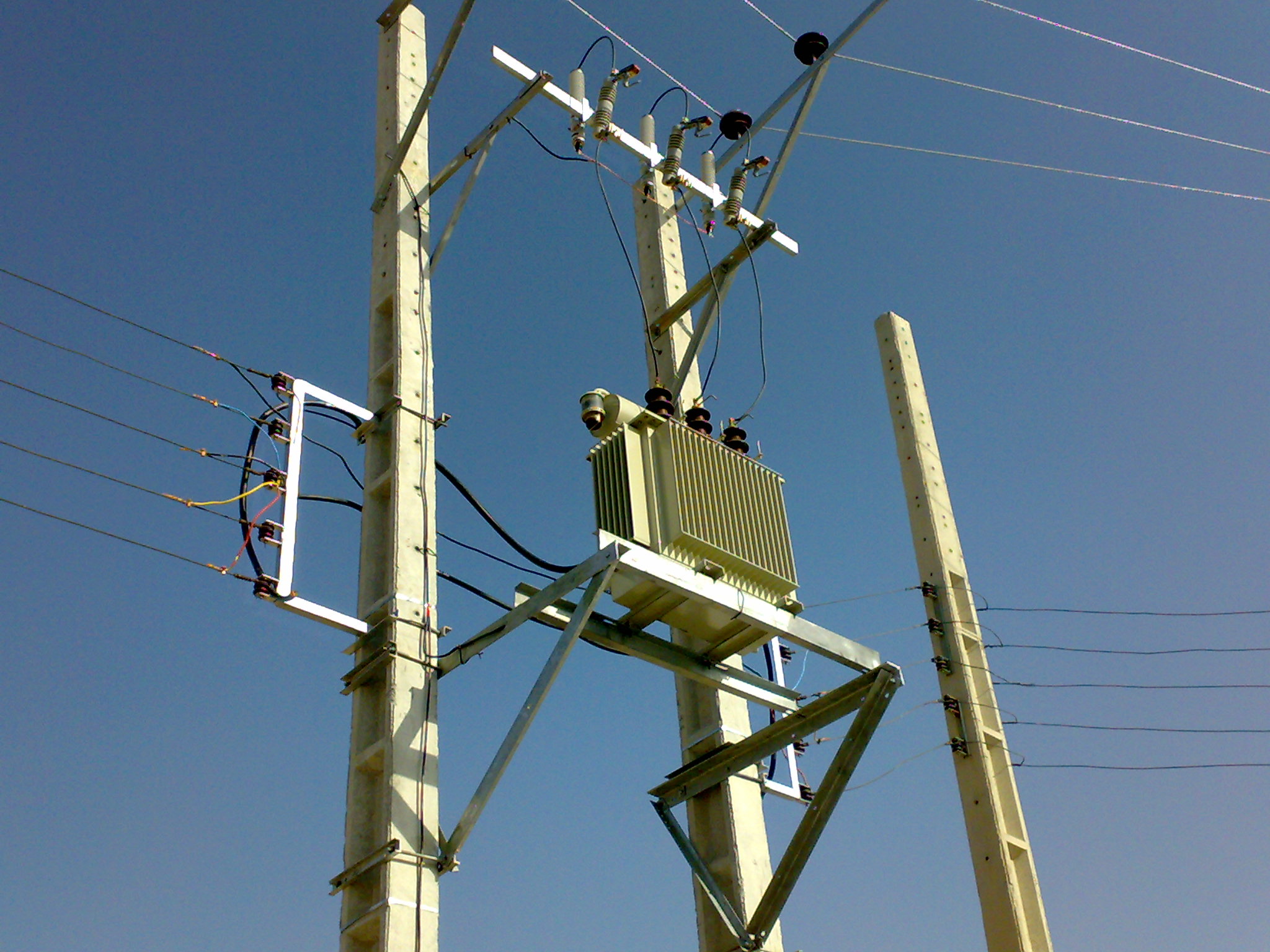
Thus, the “Integration of Operation Activities in Western Karaj and Mehrshahr” project can be regarded as a prominent example of technical, managerial, and technological synergy aimed at achieving a sustainable distribution network—a valuable experience that can be extended and replicated in other geographical areas across the country.
1.Macro Objectives and the Necessity of the West Karaj and Mehrshahr Operations Consolidation Project
The decentralized and traditional regional management structure characterized the country’s power distribution networks in previous decades. Even though in the initial days this management model was sufficient in terms of operating requirements, with the complexity of the network, the increase in electricity demand, and the rise in urbanization, the inefficiencies of this management model, especially in terms of operation coordination, preventative maintenance, and an optimal investment by the resources, became more pronounced. The lack of a centralized operation management system led to the increase in frequency of power failure, slow response to network outage, duplication of field operations, and waste of manpower and financial resources.
In this respect, Alborz Province Power Distribution Company, which focuses on the macro policies of Tavanir in terms of distribution network optimization and structural change, created and introduced an original strategy named “Integration and Centralization of Operational Services.” The strategy is aimed at establishing synergy among the units of operation, maximizing technical and human capacities, and enhancing the quality of services to the subscribers.
The project of integrating operation activities in the Western Karaj and Mehrshahr regions was planned and implemented within this framework as a viable move towards the implementation of such policies. The primary goal of the project was to attain measurable, sustainable, and efficient results in technical, managerial, and safety spheres, the most relevant of which are as follows:
- Reducing the outage duration, measured by the SAIDI index, involves responding to network incidents more quickly and using structured, data-driven approaches.
- Reducing human and operational errors through systematic use of preventive maintenance (PM) programs and constant monitoring of equipment;
- Increasing the Safety Index and reaching maximum adherence to HSE standards in the workplaces and field activities;
- Eradicating planking, duplication of efforts, and wastage of resources by integrating missions and setting up of a joint command center;
- The goal is to enhance the quality of street lighting, improve safety in the city environment, and successfully control illegal connections to minimize non-technical energy losses and optimize the performance of the network.
The process of implementing the West Karaj and Mehrshahr Operations Consolidation Project becomes a milestone of switching between the traditional models of operation to the new, high-technological, and centralized models of operation management, which, by integrating technology, expertise, and integration of managers can critically contribute to the strengthening of the distribution network and customer satisfaction.
2. Scope of Services and Operational Activities in West Karaj and Mehrshahr Operations Consolidation
Within the framework of the contract for implementing the integration of operation activities in the Western Karaj and Mehrshahr areas, a wide range of specialized activities in the fields of operation, maintenance, and management of power distribution networks were carried out through a centralized, integrated, and data-driven approach. The objective of these activities was to ensure network performance stability, increase reliability, and improve the quality of service delivery to subscribers across these regions.
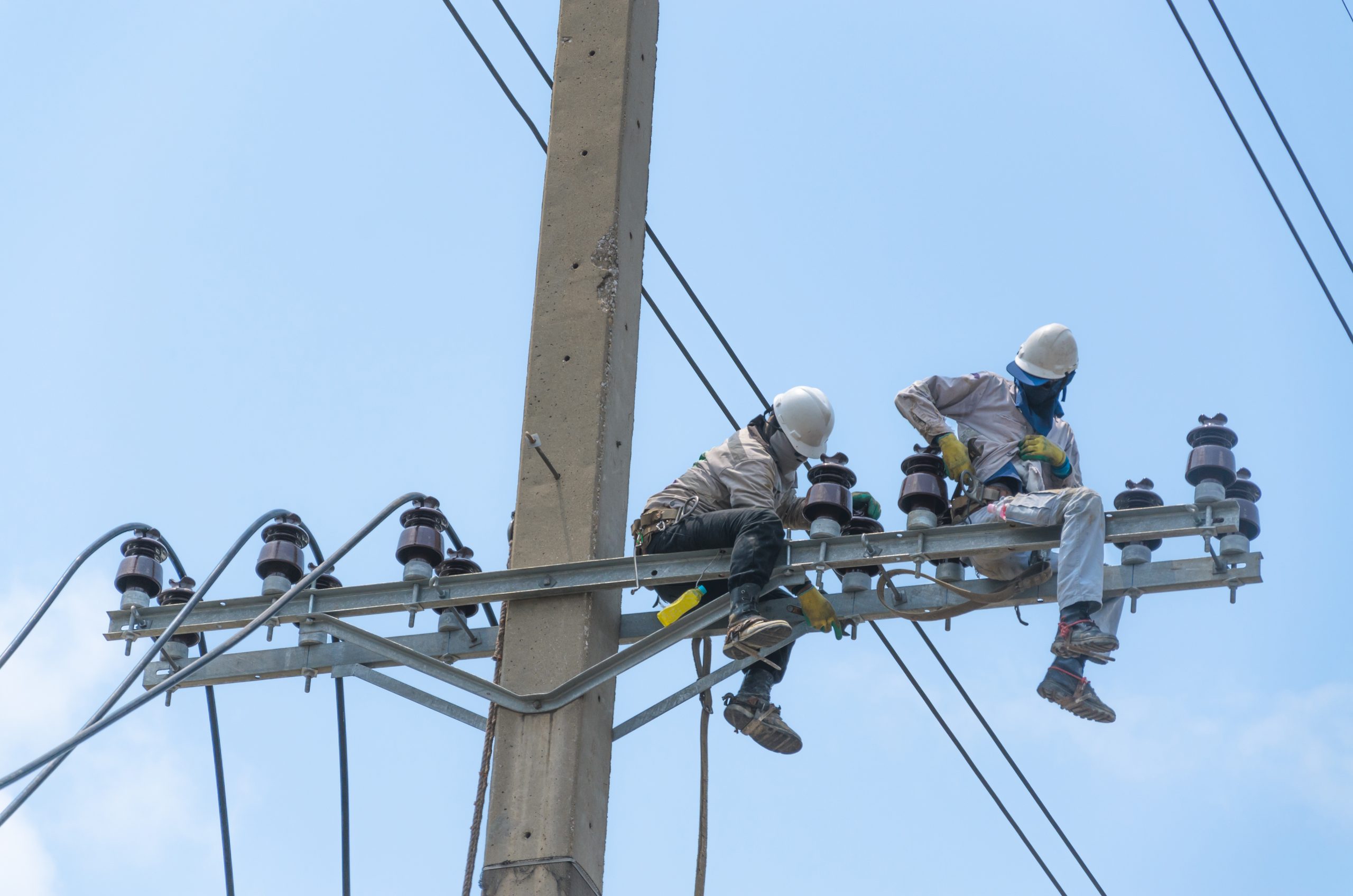
In the West Karaj and Mehrshahr Operations Consolidation Project , Pegah Energy Parsian Company, through meticulous planning and effective field operations, successfully implemented all operational processes within a coordinated and up-to-date system. The main operational focuses of this project are as follows:
- Quick and local responsiveness of events that occurred in the power distribution networks by deploying emergency agencies over the target areas with the aim of minimizing the duration of the outages and enhancing the reliability indicators (SAIFI and SAIDI);
- Regular Preventive Maintenance (PM) programs on medium and low voltage lines and equipment to be implemented in order to avoid the possible failures and increase the lifetime of network assets;
- Regular inspection and performance assessment of equipment according to the requirements of standard PM to allow timely determination of the technical deficiencies and implementation of competent corrective actions;
- Introduction, renovation and replacement of street lighting systems in the roads to improve urban security, aesthetics and satisfaction of the citizens;
- They involve identification and suppression of the illegal electricity interconnection by surveying the field with non-technical loss detection equipment with the aim of minimizing energy loss and maximizing operational revenues as well as enhancing equity in energy use.
All these activities were conducted under strict control on the part of the employer and harshness in performance assessment of the contractor, ensuring the quality of services provided and the basis of further implementation of modern asset management models in the network. This resulted in the new operational approach in those regions, not only improving the efficiency of the operations but also leading to the advance towards smart power distribution and better resilience of the networks.
3. Human Resources and Equipment Fleet
The effectiveness of the human resources organization and provision of the working fleet with specific tools and vehicles was one of the key successful aspects of the Integration of Operation Activities Project in the Western Karaj and the Mehrshahr regions. This project could not have been successful without integrating technical knowledge, field skills, and operational discipline, so special consideration was made in the selection, training, and hiring of skilled people in all the implementation processes.
On this note, 117 skilled staff, including the master technicians, the electricians, the operational drivers, and safety personnel, were recruited, trained, and systemized following a rigorous technical assessment and psychometric testing. These staff members took specialized training in electrical safety and medium- and low-voltage network operation standards so that they would be equipped to work in the field in both urban and industrial settings.
The HSE compliance, working at heights, and live-line maintenance operations were also empowered, as was the whole operational staff, as well as field communication and command protocols. These training programs have enhanced the level of safety, speed of response, and quality of execution in the areas of interest by a significant margin.
The equipment and vehicle fleet became another important element of the project’s operational infrastructure, alongside human resources. In this regard, 29 specialized vehicles, such as light and heavy operational pickup trucks, hydraulic aerial platforms (light and heavy), maintenance cranes, 24/7 emergency vehicles and portable equipment needed to carry out emergency operations, were installed and deployed. GPS tracking systems and mission management software were also installed in the fleet to allow monitoring in real-time, optimization of routes and effective scheduling of personnel.
The two aspects of this combination, namely, trained human resources and the well-equipped operational fleet, were critical in realizing the goals of the project, promoting the amount of time to respond to incidents, reducing the time of the outage, and improving the reliability of the network. On the whole, this element of the project may be treated as the successful example of the integration of human and technical resources management into the distribution processes of power.
4. Financial Resources and Executive Structure
Provision of financial resources and design of a coherent executive structure contributed to the success of the Integration of Operation Activities Project in the Western Karaj and Mehrshahr areas. In the context of the project, unambiguous financial planning, optimal distribution of resources, and multi-layered control over spending were necessary to reach the greatest efficiency of the implementation of the project with an intention to improve the efficiency and performance indicators of power distribution networks.
The original contract of the the West Karaj and Mehrshahr Operations Consolidation Project was estimated to be 354.303 billion IRR. In the execution, the budget was inflated, as per the development of the new operational scope, the necessity of forming the vehicle fleet, and the necessity of providing the full field infrastructure equipping to 454.618 billion IRR, with the contractual amendments. This increased budget was a manifestation of managerial dynamism and responsiveness to project needs to cover more and use greater technical ability and quality in field operations.
Under the executive structure of the project, a good hierarchy of management and supervision was put in place to make sure that all the activities were done in a transparent, accountable, and financially disciplined manner. Management Project management, which was headed by the Pegah Energy Parsian Company directly in consultation with the Alborz Province Power Distribution Company, was in charge of planning, resource allocation, field control, and financial performance control. There has been full coordination among specialized units, such as field operations management, quality control, maintenance planning, financial and logistical support, and HSE monitoring.
Not only did the precise execution of financial and operational operations help to increase transparency and discipline spending, but it also developed a performance-based model of project management of the power distribution industry of Iran, a model that can be adopted as an effective managerial model of similar projects in the future.
5. Challenges and Implementation Strategies
Despite its strategic importance and high added value, the implementation of the Integration of Operation Activities Project in Western Karaj and Mehrshahr was not a simple or challenge-free process. The geographical vastness of the areas, diverse urban and industrial environments, and structural differences in existing networks created various technical and managerial complexities. Overcoming these required precise planning, agile management, and high technical expertise. Pegah Energy Parsian Company, through a scientific and experience-based approach, managed to turn these challenges into opportunities for improving and modernizing operational structures.
5.1. Technical and Infrastructure Challenges
Lack of coordination between the two regional network structures and the variation of technical standards and equipment were some of the key impediments at the start of the project. The integration process was not easy due to the existence of old lines, the geographical distribution of the subscribers, and the lack of centralized incident registration.
Solution: This was solved with the cooperation of the client and the contractor through a comprehensive GIS-based program to enhance the technical fabric of the network and to bring together the working data. This has facilitated real-time monitoring, rapid decision-making in crises, minimization of outage, and efficient load control in areas of interest.
5.2. Managerial and Human Resource Challenges
The combination of two autonomous administrative frameworks required organizational and cultural correspondence among employees. At first, disparities in working practices, reporting patterns, and working protocols were significant impediments to integration.
Solution: Pegah Energy Parsian Company has designed training and alignment meetings, and adopted Unified Command Model that enhanced teamwork. organizational identification and responsibility understanding, leading to minimal error in operations.
5.3. Logistical and Equipment Supply Challenges
The role of having an agile and well-equipped fleet was highlighted by the large area of operation and the requirements of quick responses to crisis situations. The first operational risk was caused by logistical constraints and the time lag in the supply of parts.
Solution: The company has come up with a solution whereby a Fleet Management System was mechanized, vehicles were fitted with GPS and online communication systems and regional warehouses were opened where parts and tools could be found and the result was that much time was saved in responding to an emergency.
5.4. Time and Execution Constraints
With the scope of the contract and mission level, all the goals were to be accomplished within a restricted timeframe, with high technical accuracy in adverse circumstances.
Solution: The company was able to complete the project within the schedule, which was even above what it had initially planned to achieve, by adopting performance project management and scheduling and progress control software.
All in all, the strategic management of Pegah Energy Parsian Company, the accurate planning, and the technical skills of the company transformed the possible barriers into the innovative opportunities, learning, and development of the company and its productivity. The result was not only a successful integration project but also the development of a localized agile management model in the power distribution industry of Iran—a model with a national potential, the symbol of efficiency, experience, and dedication to the development of infrastructure in the country.
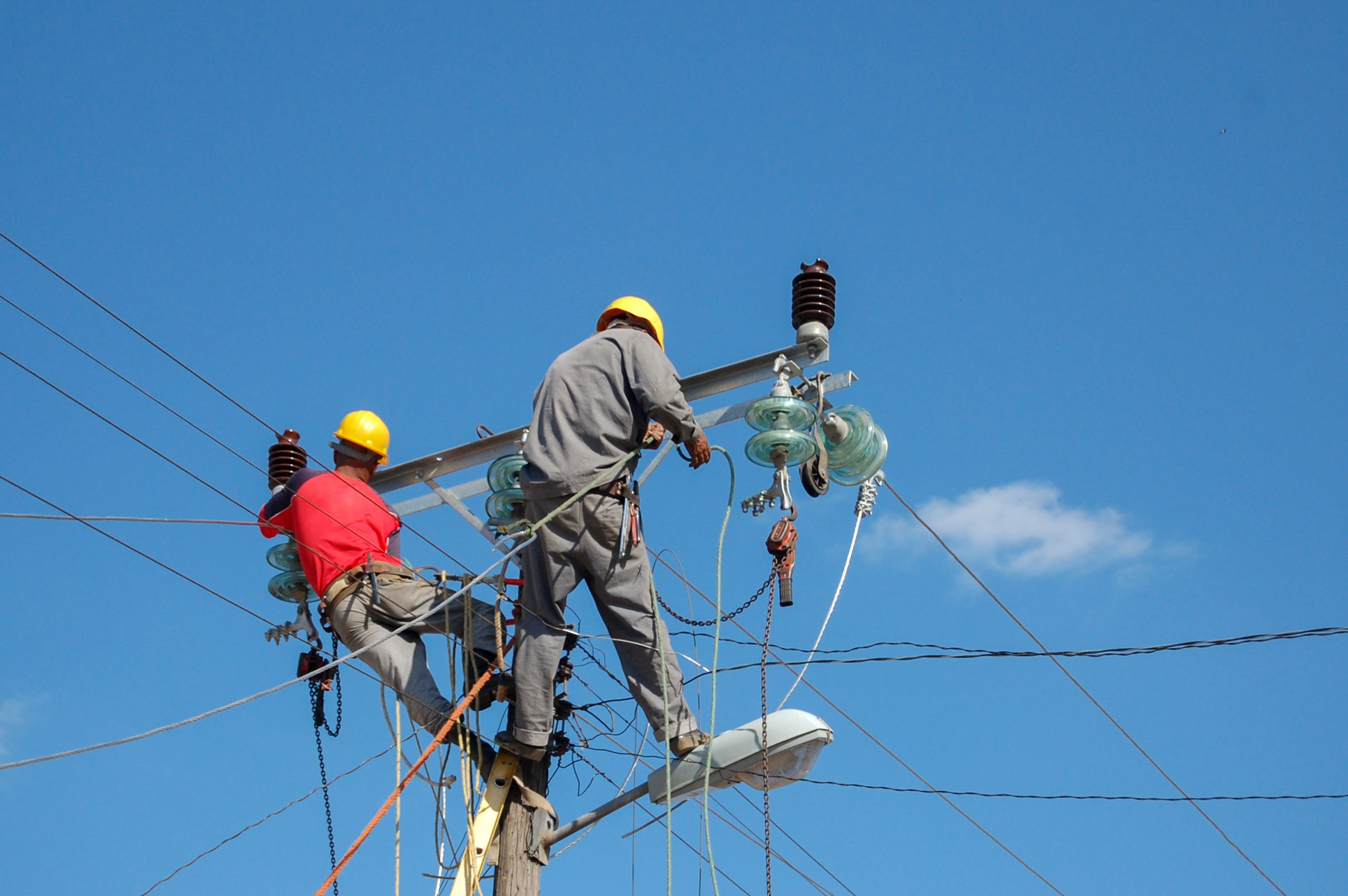
6. Strategic Results and Achievements West Karaj and Mehrshahr Operations Consolidation project
The results of the project of the Integration of the Operation Activities in Western Karaj and Mehrshahr did not restrain themselves to the short-term ones in operational indices but a long-term change in the management of the local power distribution. The project was able to implement a new operational paradigm that brought together technical, managerial, and safety synergy to be used as an example to other distribution companies in the country.
Its primary accomplishments could be divided into three major areas, including technical, managerial, and strategic.
6.1. Technical Achievements
- Major decrease in network restoration time following faults or incidents using rapid-response teams, network real-time monitoring and digital fault management systems;
- Better reliability indices (SAIDI and SAIFI) by detecting faults faster, enhancing coordination of the operational teams and preventive maintenance programs (PM);
- Lighting safety and quality in the urban area through renovation and maintenance of street lighting systems with high-efficiency lighting facilities;
- Lessened recurring failures and reworking with frequent technical checks and the application of the Root Cause Analysis (RCA) systems.
6.2. Managerial and Operational Achievements
- Improved coordination between operation, safety and maintenance teams with a Unified Command Structure and a centralized field operation management;
- Higher efficiency and discipline in the organization due to the presence of data-based performance assessment model and monitoring of key indicators using analytical dashboards;
- Less economic losses and more resource productivity through integrating missions, eliminating task overlaps, and bettering the personnel dispatch process.
6.3. Strategic Achievements
- As a successful experience of operational integration in the distribution networks, development of a scalable and localized model of operations that can be applied to other regions;
- Greater operational predictability and faster response to events, as well as network resiliency to incidents and climatic variations through centralized management;
- Established the basis of creating a Smart Distribution Grid by creating the required software and management infrastructure to provide the opportunity to process real-time data and make decisions.

Laying the groundwork for the development of a Smart Distribution Grid through the establishment of software and management infrastructures for operational data analysis and real-time decision-making
In general, the project turned the Western Karaj and Mehrshahr regions into exemplary regions in the Iranian electricity distribution sector, which is the quality of services, safety, efficiency, and satisfaction of the customers. Using technical skills, new management, and experience in the field, Pegah Energy Parsian Company has been able to apply a practical and efficient model of the centralization of operations.
7. Conclusion
The Western Karaj and Mehrshahr Power Distribution Management Integration of Operation Activities Project could be discussed as one of the most successful structural, managerial, and operational reforms in the power distribution sector of the country. The project achieved a fundamental change in service provision, operational safety, and customer satisfaction through data-driven management, skilled staff, and advanced equipment infrastructure.
The project showed that operational activities integration and centralization bring not only less downtime and a quicker reaction time but also directly enhance the level of efficiency of financial resources, indicators of technical performance, and the quality of energy distribution services in general. In addition, its success demonstrated that the combination of technology, management, and human capital can be used as a sustainable approach to modernizing the power distribution industry of Iran.
In this regard, the Western Karaj and Mehrshahr Integration Project will be a viable, localized, and scalable example to other parts of the nation—an example that can be used to inform the creation of resilient, sustainable, and responsive power networks on a national scale. The sustainability of such undertakings is a major move to attain the strategic objectives of the Iranian electricity sector in terms of resilience and energy sustainability as well as the development of smart infrastructure.
