Construction of 63/20 kV Feeder Lines – Qods City 2 Substation, An Outstanding Example of Precise Engineering, Professional Management, and Successful Execution of Power Infrastructure Projects
1. Project Introduction
Construction of 63/20 kV Feeder Lines – Qods City 2 Substation was carried out as part of the extension of the power distribution network to provide a substantial supply of electricity to industrial and residential areas. The project aimed to maximize the capacity of transmission lines, improve network stability, and ensure reliable energy supplies in the region. Commissioned by the West Tehran Power Distribution Company, contracted by Pishrovan Sanat Gashak, and executed by Pegah Energy Persian Company, it became one of the landmark infrastructure projects in western Tehran Province.
2. Project Necessity
The past years revealed the tremendous increase in the consumption of electricity within Qods City and its surrounding industrial zones, such as Golgoon, Abrisham, Haft-Joy, Zarrin-Dasht, Golbarg, and Farzan, and caused a great burden on the distribution network. This increasing trend in consumption was largely motivated by:
- The capacity of industrial towns is constantly growing and developing.
- Increasing household electricity consumption because of mass building housing construction and level of population.
- More consumption and use of modern and high-consumption electrical equipment in residential and industrial sectors.
Consequently, the current network capacity was no longer able to serve the regional demand. To handle such, Tehran Regional Electric Company initiated detailed feasibility studies and site selection in 2017 (1396 SH) of the construction of a 63/20 kV substation with a capacity of 60 MVA.
Its primary objective was to get rid of unstable network operations, minimize unexpected downtimes, enhance the quality of voltages, and reserve capacity to expand in the future – a necessary strategic move towards sustainable development of the region.
3. General Project Specifications
- Client: West Tehran Power Distribution Company – Pishrovan Sanat Gashak
- Executive Contractor: Pegah Energy Persian Company
- Contract Value: 4,000,000,000 IRR
- Implementation Period: August 2022 – February 2023 (delivered earlier than planned in March)
- Location: Qods City, Tehran Province
4. Scope of Work and Execution
Under this contract, various technical and operational jobs were performed with great attention and following the international modern power industry standards, they were:
- Installation of 11,263 meters of underground medium-voltage cable with regular cables and adherence to the requirements of the right-of-way and safety considerations, with the stability in the transmission capacity and the minuscule probability of the appearance of network faults.
- To allow the provision of alternative routes in case of shedding load, construction of 4,760 meters of double-circuit overhead medium-voltage lines to allow flexibility and operational maneuvering in cases of emergency.
- From the single-circuit overhead medium-voltage 9,358-meter-long perspective of reducing those technical losses, enhancement of quality voltage, as well as increasing the life of the existing equipment, was optimized and rehabilitated.
Performance Result Just one week following the commissioning, the load per substation was equal to 41.5 MW, which is a clear indication of the instant implication of the project in terms of establishing a reliable energy supply, enhancing the quality of the service, and increasing the capacity of the network.
5. Challenges and Innovative Solutions
5.1. Excavation Restrictions on the Main Route
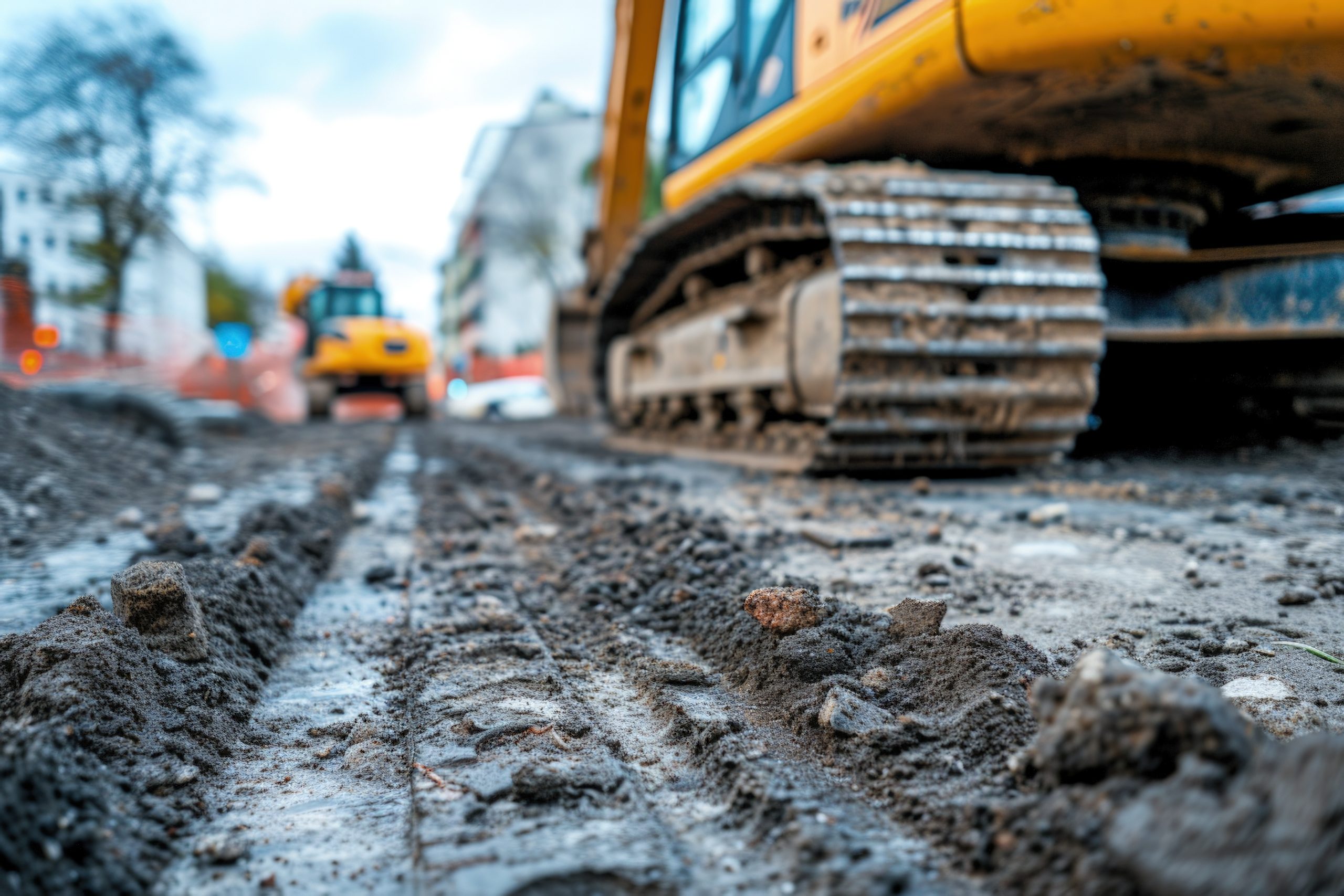
The access route was concentrated primarily on Jomhouri Boulevard, and an old covered water channel was then located under it extending through the length of the street, therefore preventing any open cut excavation. In spite of such a serious issue, Pegah Energy Persian carried out underground cabling with the help of a special limited-space drilling system and trenchless technology, making sure to conduct a risk-free operation without damages to traffic and any other infrastructures.
5.2. Dense Urban Utility Networks
Along the street lines were vast arrays of congested utilities that were located beneath surface levels, such as fiber-optic cables, low-voltage power lines, water and gas lines, and sewer lines. Direct excavation was very challenging with such density. To othis issue, we need to address weaknesses, conduct extensive mapping beneath the surface, and apply Utility Locators.Locators Underground Utility Locator: Staged trenching at various depths was introduced so that the precision of the work was at the order of millimeters and all the available utilities were completely covered.
5.3. Technical Approach
Since such utilities were highly concentrated in the ground, it could not implement uniform-depth cabling. Thus, the multi-depth cabling technique was obtained on the basis of the suggestive idea of the client and in-depth design by the team of the Pegah Energy Persian engineers. This involved the stage of sophisticated 3D underground analysis, control-calibrated drilling, and meticulously developed utility clearance. Not only did the approach avoid the occurrence of damages to the critical networks, but it also maximized the time of the projects’ execution.
5.4. Equipment Limitations and Manual Cable Pulling
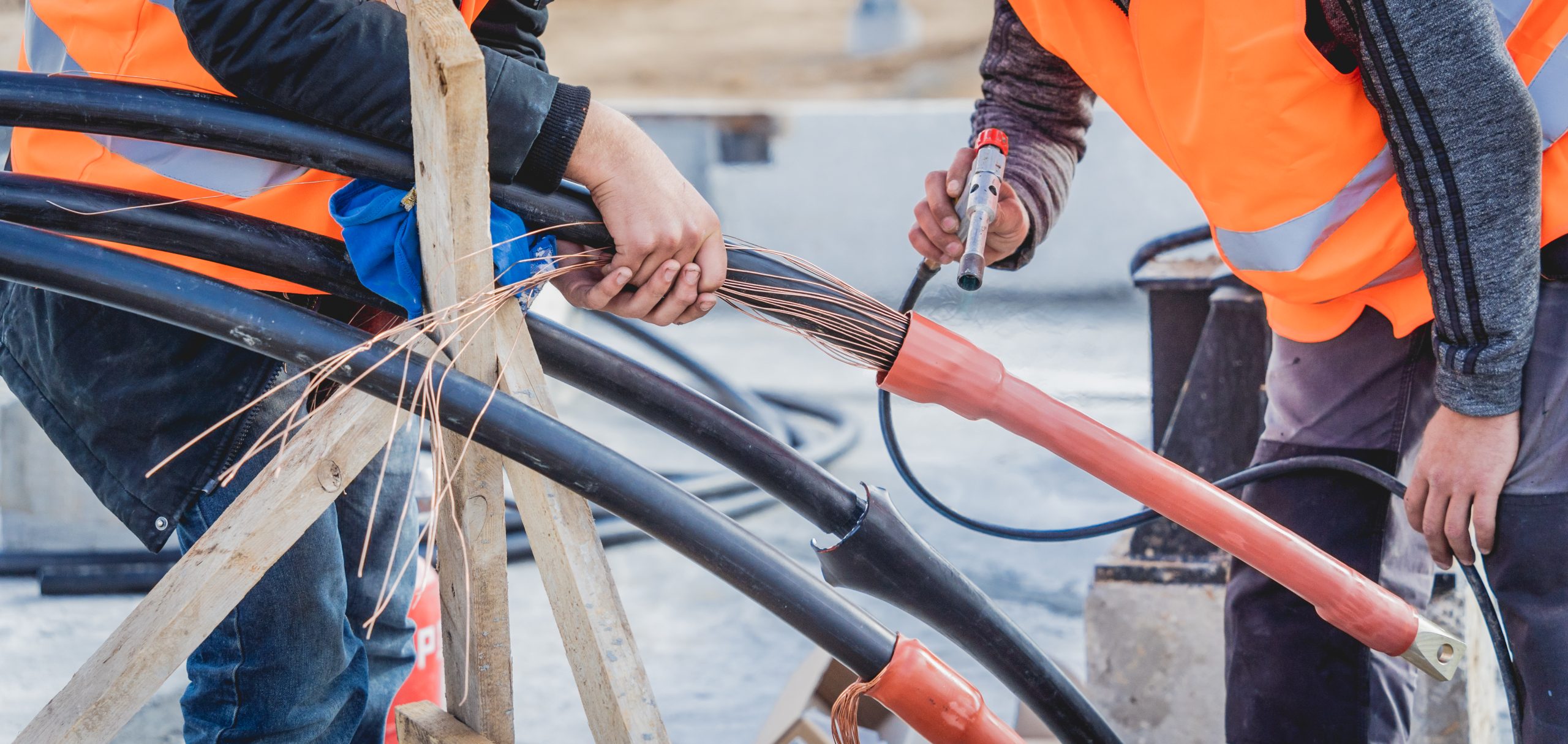
In a few instances, various pieces of mechanical equipment, including winches and tensioners, were impractical; space was limited. Hauling the medium-voltage cables by hand along long and throughput-dense routes was one of the most challenging processes of the project. But the special teams managed the task diligently and accurately, without causing any bodily harm to the cables or the facilities nearby—which indicates a great level of dedication to the operational functioning and the capability to handle very specific projects with great limitation.
6. Key Achievements
- Major growth in transmission capacity: Not only can it ensure the existence of heavy industry consumption, industrial parks, and domestic consumption, but the transmission capacity covers the needs of the future rise in consumption as well.
- Fewer random blackouts and better Net performance:Forward-points optimization and operation flexibility minimized service failures and built even more consumer confidence.
- Improved quality of voltage and pressure drop at critical points: Improved networks provided low-voltage and low-pressure drop zones, which were necessary to perform with electrical equipment correctly.
- Developed infrastructure to support further development: Development of technical capacity to support new loads, industry, and population increase without unnecessary burdening of the current network.
7. Conclusion
The construction project of the 63/20 kV feeder lines at Qods City 2 Substation exemplifies a high level of technical skills, strong project management principles, and excellent performance.
The project was carried out under significant technical and operational limitations, yet it proved that the company can lead in delivering complex and sensitive infrastructural projects in power production across Iran.
Its achievement not only ensures a reliable and cost-effective energy supply for the region but also serves as an encouraging example for other network development and optimization projects in the country. It shows that even the most daunting challenges can be overcome with proper planning, engineering ingenuity, and operational dedication.
